Yes, with the one discipline this guide keeps repeating: never force a tight plug. A beginner with a quarter-drive socket and restraint will be fine; an impatient expert with an impact gun is the one who snaps a plug.
Overview
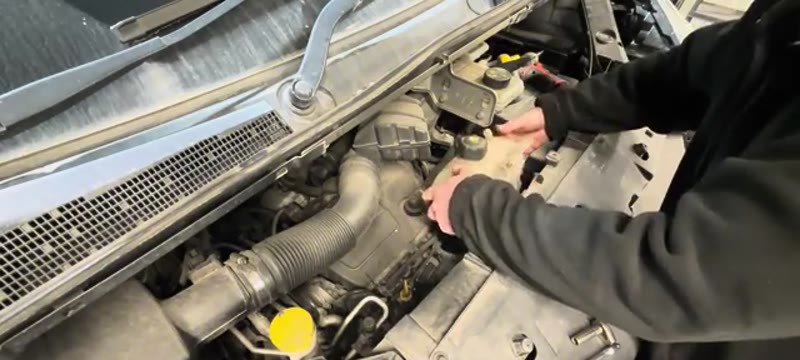
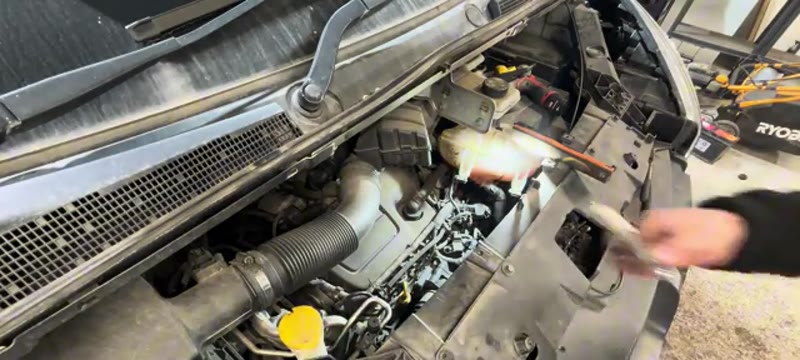
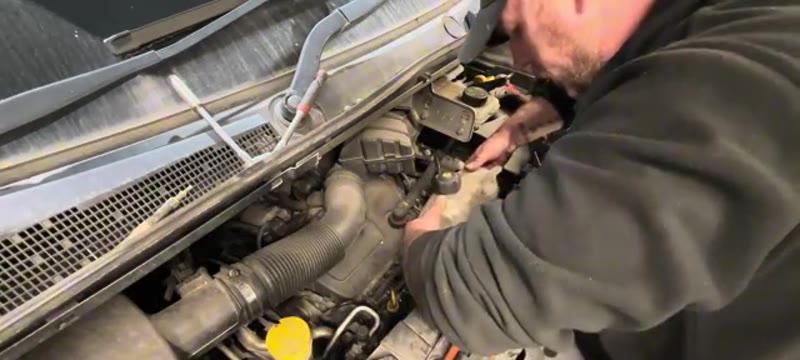
Glow plugs on the Renault Trafic 2017 1.6 dCi are accessible from the top of the engine once the coolant bottle and oil filler are moved aside. No special tools are required - just a quarter-drive 10mm socket and extension.
This procedure is the same for the Vauxhall Vivaro and Nissan Primastar with the same engine. Replace all four as a set at around 80,000 to 100,000 miles.
When You Need This Job
Long cranking time on cold starts
Excessive white smoke on cold startup
Glow plug warning light on the dashboard
Rough running when cold that improves as the engine warms
⚠ Do not overtightenGlow plugs thread into aluminium cylinder heads. Over-tightening snaps the plug and leaves the tip embedded in the head - a very expensive repair. Nip them up firmly but not excessively.
⚠ Soak with penetrating oil if tightIf any plug feels very resistant when unscrewing, apply penetrating oil and leave overnight rather than forcing it.
Everything else on your van
Renault Trafic Owner's Bible (also Vivaro)
Trafic and Vivaro specific faults and service intervals
The known weak points and what they cost to put right
Instant PDF download · works on phone, tablet or PC · 7-day money-back guarantee
Tools You'll Need
Quarter-drive ratchet
10mm socket with long extension
Long-nose pliers
Installation grease (copper slip or anti-seize)
Step-by-Step Guide
01
Move the coolant bottle and oil filler aside
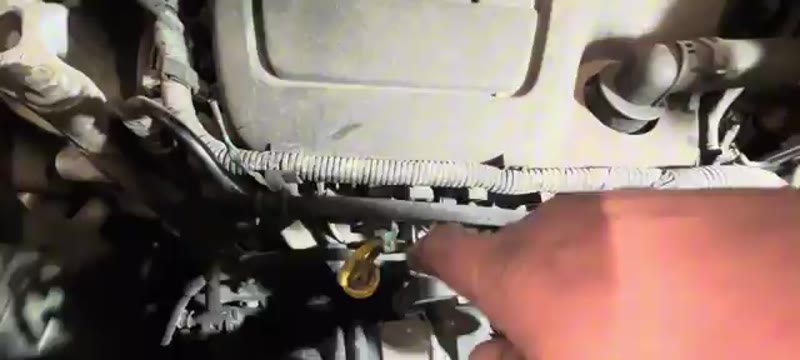
The coolant bottle is held by a tab - release it and turn it to the side. Remove the cap first to relieve any pressure. Undo the return line by squeezing the two tabs and pull it off. The oil filler cap is a 21mm - undo it and tuck the bottle out of the way.
02
Locate all four glow plugs
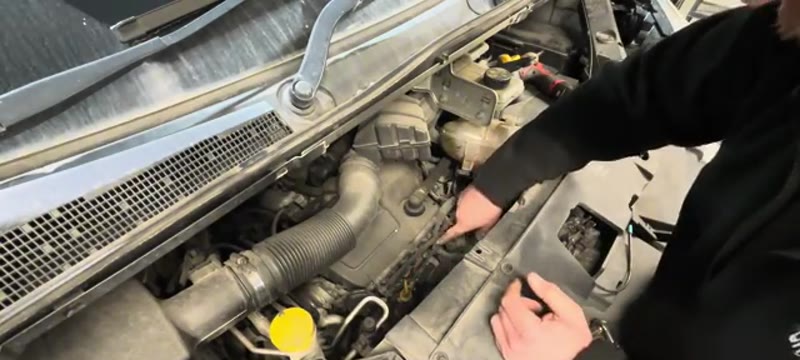
With the coolant bottle moved you can see down to the four glow plug tips. They are in a row along the top of the engine.
03
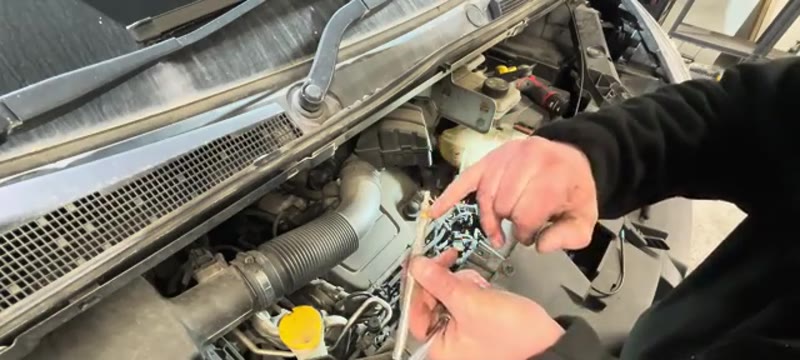
Pull off all four electrical connectors
Grab each plastic connector extension and pull it off the glow plug. Use long-nose pliers if they are tight - do not pull by the wire.
04
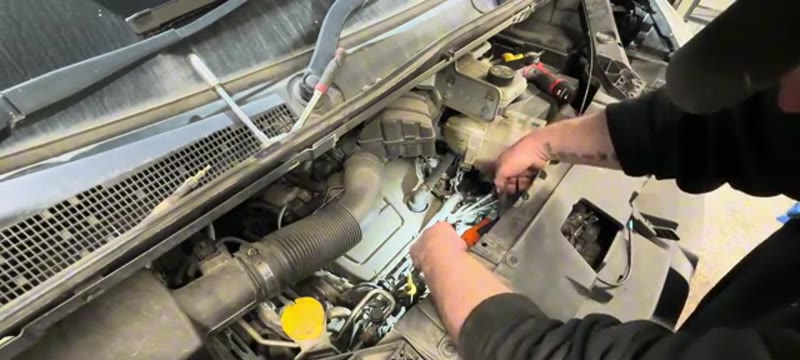
Unscrew each plug with the 10mm socket
Feed the quarter-drive 10mm socket down onto the plug head on its extension. Use the quarter-drive ratchet to crack it loose then unscrew by hand. Pull each plug out with fingers or long-nose pliers.
05
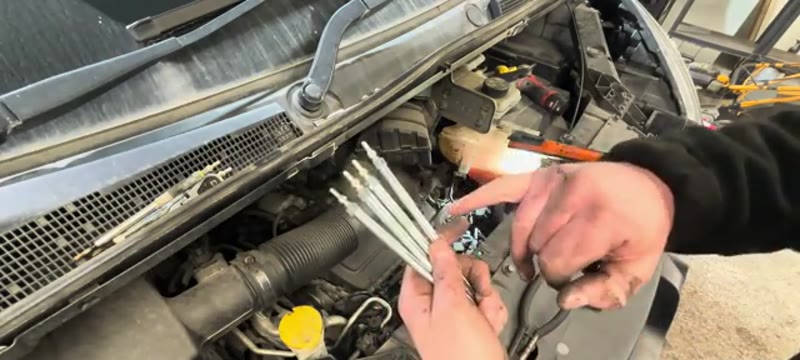
Inspect the old plugs
Corroded bodies and burnt tips confirm they were due for replacement. Plugs 3 and 4 may be harder to access due to wiring - work the socket around the wiring carefully.
06
Apply anti-seize and fit new plugs
Put a small smear of copper slip or installation grease on the threads of each new plug. Start each one by hand - never use power tools. Tighten firmly with the quarter-drive ratchet.
07
Refit the electrical connectors
Push each connector down onto its plug until you feel and hear a click confirming it is seated. Use long-nose pliers to push them fully home if needed.
08
Refit coolant bottle and test
Reconnect the coolant return line, refit the bottle into its holder and replace the oil filler cap. Start the engine - it should start notably quicker than before.
Same as Vauxhall Vivaro and Nissan Primastar
This engine is shared between the Trafic, Vivaro and Primastar. The glow plug procedure is identical on all three.
A glow plug is a heating element that reaches 1,000 degrees in seconds, every cold morning, for years - and each heat cycle ages the element until one day it goes open-circuit. On the Trafic's 1.6 dCi the plugs typically start failing between 80,000 and 120,000 miles, and they rarely go together: one dies, the van starts a little rougher on cold mornings, then a second goes and winter starts becoming negotiation. White smoke on cold start that clears as the engine warms, lumpy idle for the first minute, and longer cranking below five degrees are the classic one-or-two-plugs-down signature.
Finding the dead one is cheap: a multimeter across each plug reads under an ohm for healthy, open circuit for dead - or a £20 code reader shows glow plug circuit faults per cylinder. Either way, replace all four while you are in there: the survivors have the same heat cycles behind them, and the labour is the job.
Garage vs DIY Cost
Who does it
Typical price
What you get
Renault dealer
£180–£320
Genuine plugs and dealer labour
Independent garage
£120–£250
Quality set fitted
DIY
£40–£80
Four NGK, Bosch or Beru plugs - saving well over half
Typical UK prices for the 1.6 dCi Trafic. The labour is access and care, not complexity - but the care matters (see the mistakes below).
Genuine Renault vs Aftermarket Plugs
NGK, Bosch and Beru make the glow plugs in everyone's boxes including Renault's; at £10–£20 a plug, the branded aftermarket set is identical hardware for half the dealer counter price. Match the exact specification for your engine code - modern ceramic plugs and older metal ones do not interchange, and the wrong heat rating confuses the glow control module. The £3 unbranded plug is the one place not to economise: cheap plugs can swell at the tip and lock themselves into the head, converting a £60 job into a machine-shop visit.
Common Mistakes on a Glow Plug Change
Attacking cold seized plugs with a long bar. A snapped glow plug is the single most expensive outcome available in this job. Penetrating oil overnight, warm engine, and torque-limited, patient removal.
Not clearing the well before unscrewing. Blow the grit out of each plug well first - whatever sits around the plug falls into the cylinder once it comes out.
Overtightening the new plugs. They are small, hollow and torque to barely finger-plus. Overtightening stretches the shell and guarantees the next removal snaps it.
Replacing only the dead plug. The other three fail on schedule over the following winters, each time repeating the access labour. All four, always.
Ignoring the control side. If all four plugs test healthy but the cold-start symptoms persist, the glow control relay/module is the suspect - test before buying another set of plugs.
Related Cold-Start Faults on the dCi
Not every reluctant cold start is glow plugs. Slow, laboured cranking is a battery or earth strap problem - the plugs cannot fix a van that turns over too slowly to fire. Prolonged cranking with healthy plugs and good cranking speed points at fuel pressure falling off overnight (a leaking injector seal or fuel filter housing drawing air). And white smoke that never clears as the engine warms is not glow plugs at all - that is injector or compression territory. The symptom finder separates these before money moves, and the Trafic brake guide covers the newer van's other common job if you run a mixed fleet.
Quick Stats
Difficulty
Intermediate
Vehicle
Renault Trafic 2017
Time
1–2 hrs
Parts Cost
£30–£60
Common Questions
FAQ
Yes - on the 1.6 dCi the plugs are reachable from the top once the coolant bottle and oil filler are moved aside, which makes this one of the friendlier glow plug jobs on any van. A quarter-drive 10mm socket and a careful hand are the whole toolkit. The one rule: never force a tight plug - warm engine, penetrating oil, patience.
£120–£250 at a garage for a set. Quality plugs from NGK, Bosch or Beru are £10–£20 each and the Trafic takes four, so doing it yourself saves well over half. Replace as a full set - if one has gone, the others are on borrowed time.
45 minutes to an hour for all four, including moving the coolant bottle and filler neck aside. Thread the new plugs in by hand first to be certain they are not cross-threading, and torque them gently - they are small threads in an alloy head.
You can, but the engine will be harder to start in cold weather, may run rough for the first few minutes, and you will likely have an engine management light. It will also increase emissions. Replacing faulty glow plugs promptly avoids the risk of them seizing in the head over time, which makes future replacement much more difficult and expensive.
Free from Mr Auto Fixer
Get my used car inspection checklist – free
The same checklist I use when a mate asks me to look over a car before they buy it. I will email you the printable PDF, plus new guides as I write them. No spam, unsubscribe any time.
Done – check your inbox, the checklist is on its way.
Something went wrong. Please try again in a moment.
20+ Years ExperienceMOT TesterProfessional UK Mechanic
All guides on this site are written from real, hands-on experience - not copy-pasted from a manual. If I haven't done the job myself, it doesn't go on the site.