How OBD Fault Codes Work
Every petrol and diesel car sold in Europe since roughly 2001 (2004 for diesels) has an OBD-II diagnostic port, usually within reach of the driver's seat. When the engine control unit detects a reading outside its expected range - a misfire, a lean mixture, a sensor that has stopped responding - it stores a fault code and, if the problem affects emissions or safety, turns on the engine management light.
The code itself tells you where to look. The first letter gives the system: P for powertrain (engine and gearbox - by far the most common), B for body, C for chassis and U for network communication faults. A 0 as the second character means it is a generic code with the same meaning on every make; a 1 means it is manufacturer-specific. The remaining digits narrow down the circuit or component. That is why P0300 means a random misfire on a Ford, a BMW or a Renault alike.
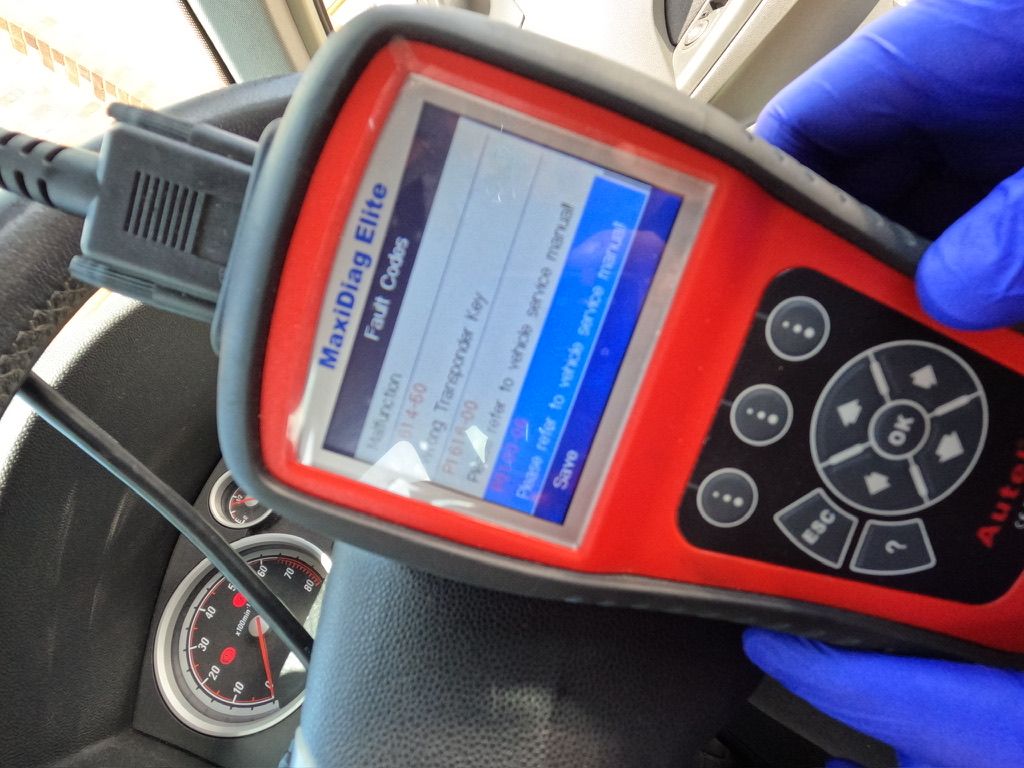
Should You Clear a Fault Code?
A code is a symptom, not the fault itself. Clearing a code without fixing the cause just turns the light off until the ECU detects the problem again - and on many faults it wipes the freeze-frame data a garage would use to diagnose it. The right order is: read the code, look up the common causes, check the cheap and likely ones first, fix the fault, then clear the code and confirm it stays away over a few drive cycles.
It also matters for the MOT: a car presented with the engine management light on is an automatic fail in the UK, and testers can spot a freshly-cleared system. Diagnose and repair first - most of the codes in the library above can be narrowed down on a driveway with a mid-range scanner and a multimeter.