This Mercedes C220 CDI came in stuck in limp mode, refusing to rev past 3,000rpm, with the engine management light on and a DPF filtration system fault. A common assumption is that the DPF itself has failed - but in this case the real cause was a split boost pipe creating an air leak, which prevented the engine from carrying out its normal DPF regeneration cycle.
The key lesson here: always investigate and clear any air intake or boost pipe faults first before condemning an expensive DPF. A split pipe costing a few pounds caused what looked like a £1,000+ DPF problem.
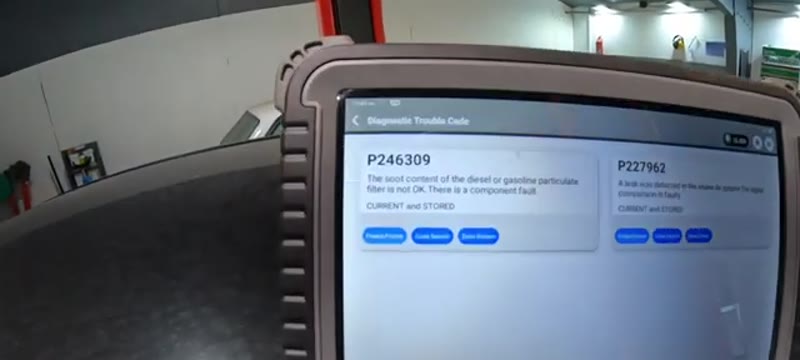
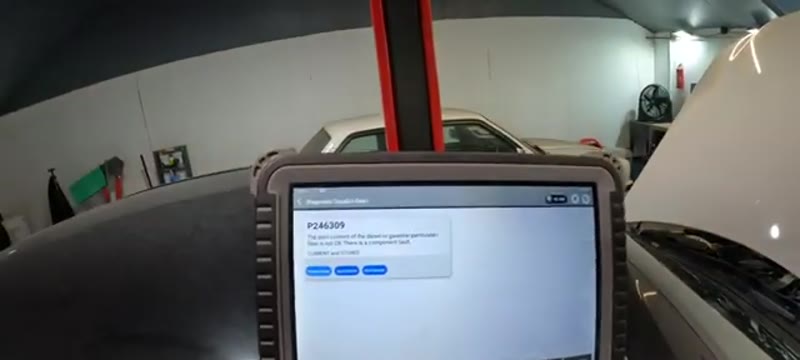
Fault Codes Read at Diagnosis (Top Don Scan Tool)
Symptoms on This Car
- Limp mode - engine won't rev past 3,000rpm
- Engine management light on
- DPF fault code stored in ECM
- Air intake leak fault code stored
- Car had covered 115,000 miles - boost pipes age and crack
Tools You'll Need
Diesel Car Owner's Troubleshooting Guide
- DPF, EGR, glow plugs and injectors explained properly
- How to clear a blocked DPF without a new one
- The diesel faults that turn into four-figure bills if ignored
Instant PDF download · works on phone, tablet or PC · 7-day money-back guarantee
Step-by-Step Guide
Read the Fault Codes
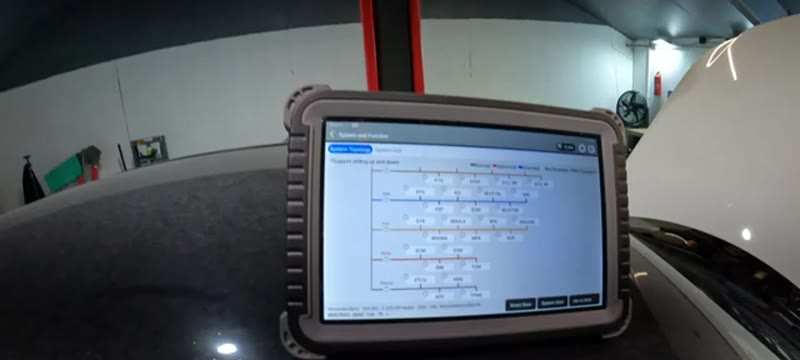
Connect a scan tool to the OBD port (located under the dashboard on the driver's side - pull the flat tab down to access it). Turn the ignition on. Read all fault codes from the ECM. On this C220 two codes were stored: a DPF filtration fault and an air intake leak fault. The presence of the air intake fault is the critical clue - always address air and boost faults first before assuming DPF failure.
Visual Inspection - Remove Engine Cover & Intake Pipe
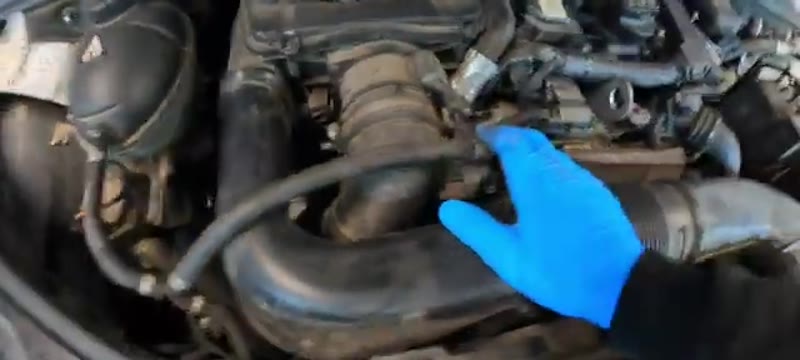
Open the bonnet. Remove the Mercedes engine cover - one twist tab at the front, then it pulls toward you off the clips at the rear. With the cover off, inspect the visible intake pipework for any obvious splits, cracks or disconnected joints. Remove the main intake pipe for a clearer look. Nothing obvious was found at the top - the problem was lower down.
Locate the Split Boost Pipe
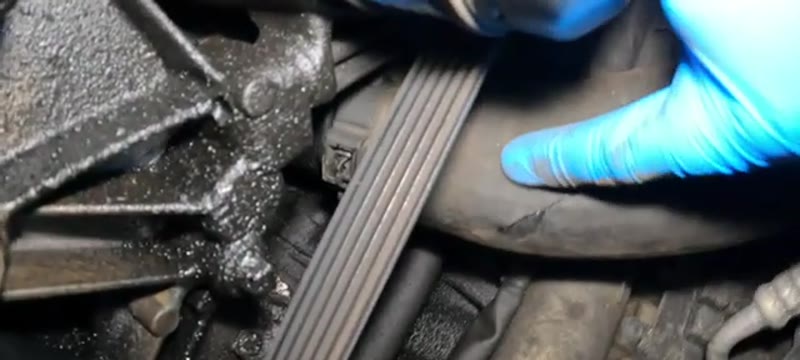
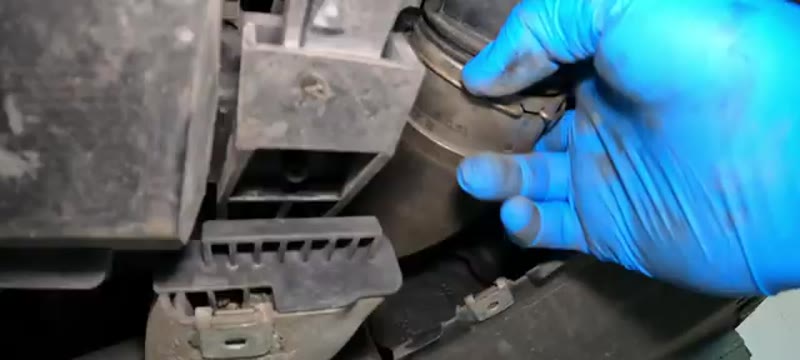
Pull the plastic engine cover forward and up to gain better access lower down in the engine bay. The boost pipes run lower in the engine bay and are more prone to splitting than the upper intake pipes. On this C220, a clear split was visible in the boost pipe running between the intercooler and the engine - a common failure point at this mileage. The split was allowing pressurised air to escape under boost, triggering the air fault code.
Raise the Car & Remove the Boost Pipe from Underneath
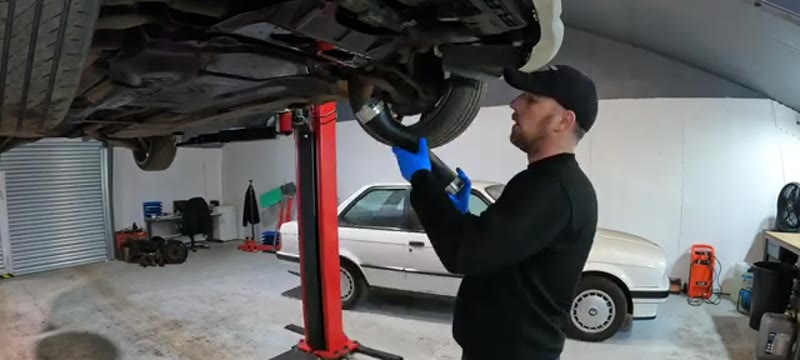
Raise the car and remove the undertrays (8mm bolts throughout). The boost pipe is more accessible from underneath for removal. The pipe is held by metal spring clips at each end - pull the wings of each clip back to release it from the intercooler side and engine side. Wiggle the pipe free and remove it. Inspect it - the split will be clearly visible on the old pipe.
Fit the New Boost Pipe
Compare the new pipe against the old one to confirm it's the correct part. Apply a small amount of rubber grease to the sealing rings inside both ends of the new pipe - this helps it seat correctly without damaging the seals. Feed the new pipe into position and push it firmly onto both the intercooler and engine connections - you'll hear it click into the spring clips when fully seated. Make sure both ends are secure before lowering the car.
Clear the Fault Codes & Verify the Fix
Refit the undertrays and lower the car. Connect the scan tool, go into the ECM and clear all fault codes with the ignition on. Turn the ignition off, then back on. Go back into the ECM and read fault codes again - the air intake fault should now be gone. Start the engine and re-read the codes to confirm neither fault returns. With the air fault cleared, the ECM can now perform normal DPF regeneration on a motorway run.
Reset DPF Regeneration & Road Test
With both fault codes cleared, use the scan tool to reset the DPF regeneration status in the ECM. Then take the car for a sustained motorway drive at 60–70mph for 20–30 minutes - this gives the engine the conditions needed to complete a full active regeneration and burn off the accumulated soot. The DPF fault should clear itself after a successful regen cycle. If it doesn't, the DPF may need a forced regeneration or professional assessment.
Parts & Tools for This Job
ⓘ As an Amazon Associate, Mr Auto Fixer earns from qualifying purchases. Prices and availability may vary.
Why Boost Pipes Split - and Why It Looks Like a Dying DPF
The C220's turbo pushes its intake air through rubber-and-plastic pipework that lives clamped against a hot diesel engine for fifteen years. The rubber sections harden, the joints get soaked in oil mist from the breather system, and eventually a seam lets go - usually on the underside where nobody sees it. The engine instantly loses boost pressure, the ECU sees airflow numbers that make no sense, and the car protects itself with limp mode. Because the symptoms - power loss, warning light, poor economy - read identically to DPF trouble on a diesel Mercedes, the split pipe hides behind a four-figure assumption. The hiss or whoosh under load is the giveaway the guide teaches you to find.
If a code reader is involved, boost-circuit codes like P0299 (turbo underboost) point at pipework and turbo, not at the DPF - that one distinction can save you a thousand pounds.
What the Same Symptoms Cost, Depending on the Diagnosis
| Diagnosis | Typical price | Notes |
|---|---|---|
| "DPF replacement needed" | £1,000–£2,500 | The quote a limp-mode diesel Mercedes attracts by default |
| Garage finds the split pipe | £100–£250 | Pipe, clamps and an hour or two of labour |
| DIY with this guide | £15–£40 | The pipe itself - and the satisfaction is free |
Typical UK prices for the C220 CDI. Always eliminate the £30 cause before consenting to the £1,000 one - this page exists because of how often that order gets reversed.
Genuine Mercedes vs Aftermarket Pipes
The genuine pipe is £60–£120 depending on which section split; quality aftermarket equivalents from Vaico, Febi or Meyle are £15–£40 and use the same reinforced construction. On a pipe, brand matters less than fit: buy by VIN or registration so the moulded shape and connector style match exactly, because a near-fit pipe stressed into position splits again at the stress point. While ordering, add new spring clamps - reused clamps on an aged pipe are where the next leak starts.
Common Mistakes on This Fix
- Replacing the pipe without finding the oil source. A pipe soaked in oil from a leaking turbo seal or blocked breather will soften and split again. Wipe everything clean and check where the oil came from.
- Missing a second split. Pipes age as a set. While you are under there, squeeze and inspect every boost hose - finding the second weak one now beats a repeat limp-mode episode next month.
- Poor clamp seating. A boost leak at a badly seated clamp gives the same symptoms you just fixed. Seat each clamp behind the pipe's bead and check for hiss under load afterwards.
- Not clearing the codes. The ECU may hold the car in reduced power until the stored faults are cleared - the scan tool step in the guide is part of the repair.
- Skipping the road test under load. A gentle pootle will not prove the fix. A firm motorway slip-road pull with someone listening for hiss is the real test.
Related Limp-Mode Causes on the C220
If the pipes are sound and the car still limps, work through the boost circuit in cost order: the intercooler's end tanks (leak at the crimped seams), the turbo actuator or wastegate sticking, the EGR valve coked open, and only then the DPF itself - which on a motorway-driven C220 is usually the last suspect, not the first. A genuinely blocked DPF announces itself differently: regenerations that never complete, rising idle, oil level creeping up.
The DPF problems guide explains that whole system honestly, the DPF cost guide has the real numbers if it ever does come to that, and the symptom finder walks limp-mode causes in order of likelihood and price.