🛒 Shop
Free Guides By Make Fault Codes MOT Checker Shop YouTube

How to Replace Audi Q3 Pollen / Cabin Filter

By Mr Auto Fixer — Professional Mechanic, 20+ Years Experience

✔ Beginner Friendly ⏱ 5–15 Minutes 🔧 No Tools Needed 🚗 Audi Q3 (2011–Present)
Last checked: April 2026
WhatsApp

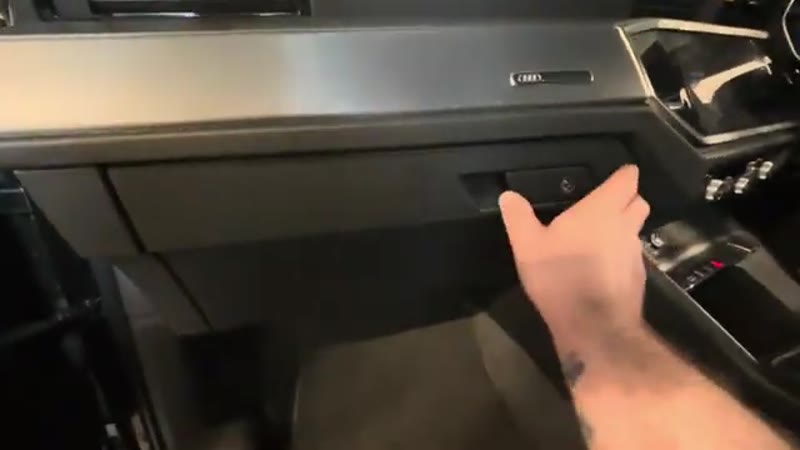
The pollen filter on the Audi Q3 sits behind the glove box on the passenger side. Replacing it is a simple no-tools job that takes around 10–15 minutes. A fresh cabin filter improves air quality inside the car, reduces dust and pollen entering the cabin, and helps maintain the efficiency of your heating and air conditioning system.
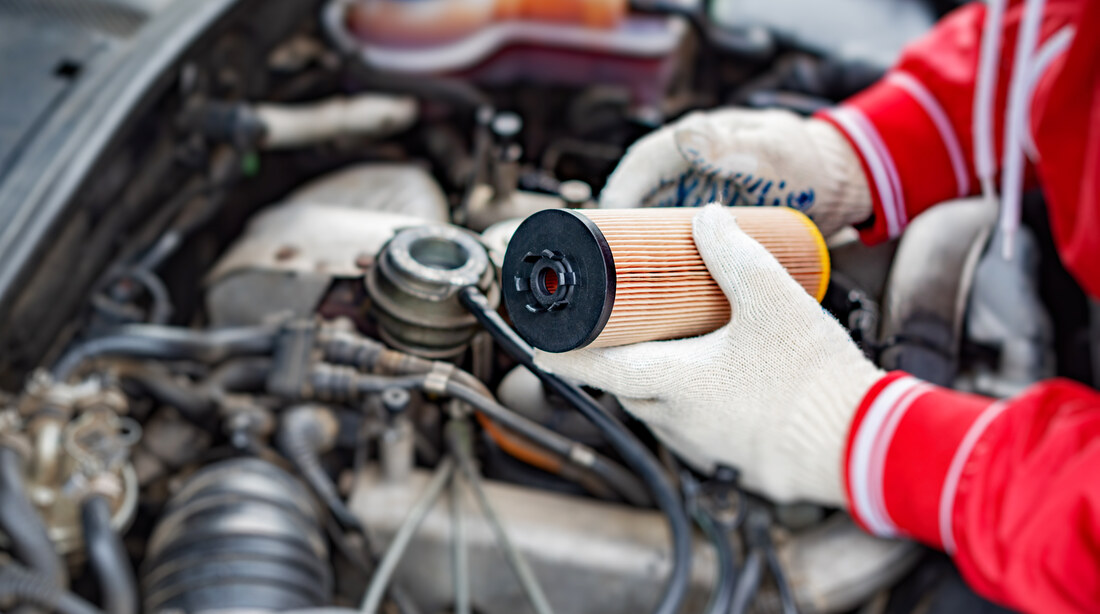
Replacement interval: Every 20,000 miles or every 2 years, whichever comes first. Replace sooner if you notice a musty smell from the vents or reduced airflow.

How To Tell Your Pollen Filter Needs Changing

On the Audi Q3 — both the 8U (2011–2018) and F3 (2018 onwards) — the first sign of a tired pollen filter is almost always a smell. You'll get into the car on a damp morning, turn on the climate control and catch a musty, slightly sour whiff from the dashboard vents — a bit like old gym kit. That's bacteria and mould feeding on trapped moisture in the filter media. The next sign is airflow: the Q3 has a strong blower motor, so if you have to bump it up to setting 3 or 4 just to feel any push of air on your face, the filter is choked. Other tell-tales are slow demist (your windscreen takes longer to clear on cold mornings), hayfever-style itchy eyes that hit only when you're driving, and a fine black or brown dust appearing around the centre vent slats. On a typical Q3 with mixed UK driving, the filter lasts 12,000–15,000 miles or roughly 12–24 months. If you live in a city, do lots of stop-start motorway commuting, or park near trees and farmland, knock that down by 25 per cent. If you've ticked two or more of these signs, change the filter — it's a £10–£25 job that takes 10 minutes.

Common Symptoms of a Blocked Pollen Filter

  • Musty, damp or "old gym kit" smell from the vents on AC startup
  • Weak airflow even on max blower setting
  • Windscreen demist takes far longer than it used to
  • Hayfever-style symptoms appearing only when you're driving
  • Black dust around the dashboard vent outlets
  • Air conditioning seems to "lose power" — it can't push air through a blocked filter

DIY vs Garage Cost — UK 2026

An independent UK garage will charge between £35 and £65 to replace the pollen filter on an Audi Q3 — usually 0.3 to 0.5 hours of book labour plus the part. An Audi main dealer will quote £75–£110 because they fit a genuine VAG part and book a longer slot. Doing it yourself, the part cost from a UK factor or Amazon is: own-brand £8–£14, Bosch or Mann or Mahle £14–£28, and a genuine VAG (4M1 819 439) activated carbon part is £30–£45. The labour is essentially nothing — 10 minutes, no tools, one strut to pop off. This is genuinely one of the best DIY money-savers on the Q3: even a first-timer who has never lifted a bonnet can do it without any skill. A quality Bosch or Mann activated carbon filter performs identically to the OE Audi part for half the price, and the original Q3 filter housing is generous enough that you don't need a perfect dimensional match.

Part You'll Need

🛒 Shop Parts & Tools for This Job

As an Amazon Associate, Mr Auto Fixer earns from qualifying purchases. Prices and availability may vary.
Step-by-Step Guide

01

Open the glove box

Open the passenger glove box fully. You'll see a soft-close damper strut on the right side and buffer/limiter stops on both sides that prevent it from opening too far.

02

Disconnect the damper strut

On the right side of the glove box, you'll find a small soft-close damper arm. Pinch the end clip and pull it free from its mounting point on the glove box — set it to one side without disconnecting the other end.

03

Release the glove box limiters

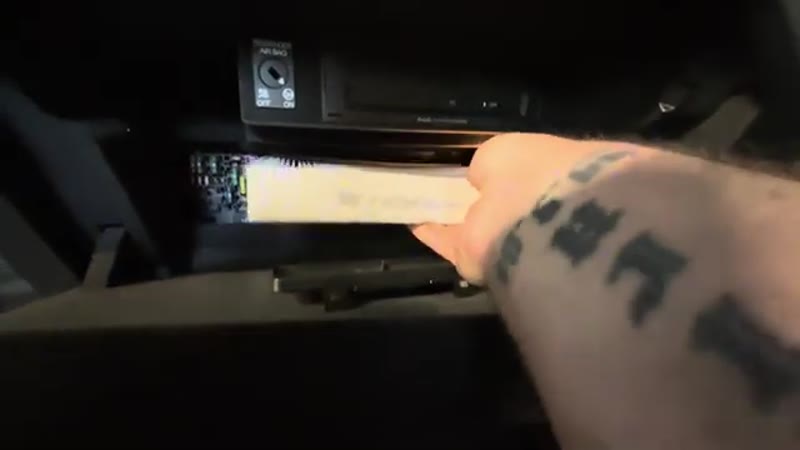
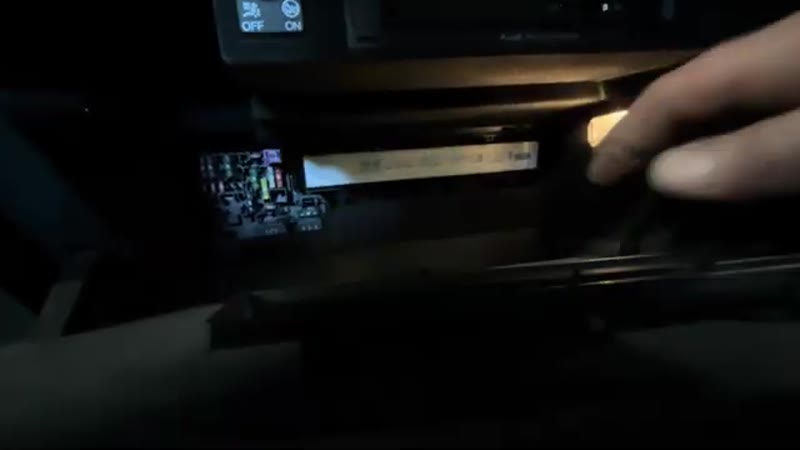
Squeeze the sides of the glove box inward to clear the buffer stops, then lower the glove box fully down. This gives you clear access to the filter housing behind it.

04

Open the filter housing

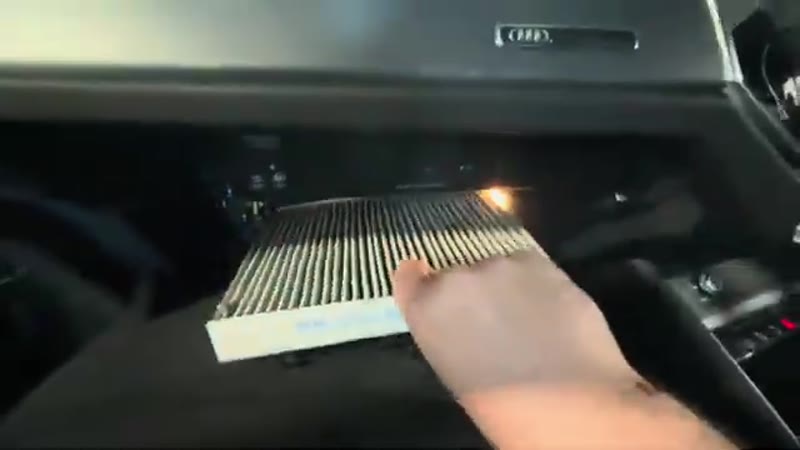
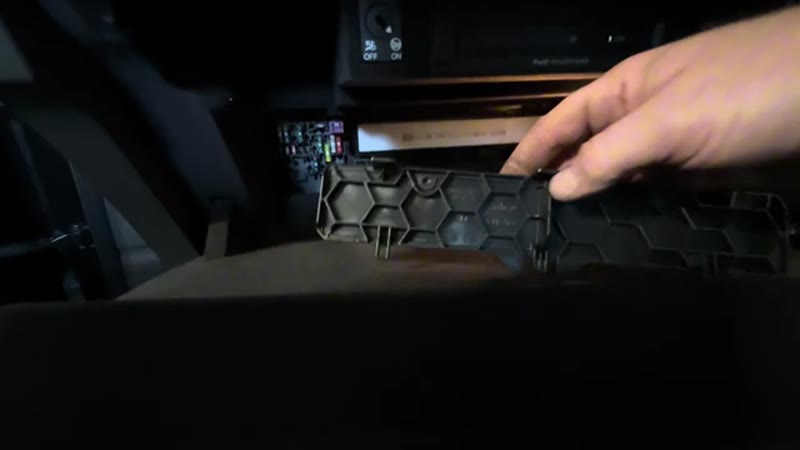
The filter housing cover is secured with a squeeze tab or slide clip. Press the tab and slide/pull the cover open. The cover hinges or pulls away to reveal the filter inside.

05

Remove the old filter

Slide the old pollen filter out of the housing. Note the airflow direction arrow printed on the side of the filter — the new one must go in the same way. Have a bag ready as old filters can be dusty.

06

Fit the new filter

Slide the new filter in with the airflow arrow pointing in the correct direction (into the cabin, away from the engine). Ensure it seats fully in the filter guides with no gaps around the edges.

07

Close the housing and refit the glove box

Clip the filter housing cover back into place. Lift the glove box back up, squeeze the sides slightly to clear the limiters, and let it click back into position. Reconnect the damper strut. Done.

Common Mistakes To Avoid

The Q3 pollen filter is a simple job, but I've seen the same handful of mistakes again and again in the workshop. First — fitting the filter the wrong way around. The airflow arrow must point downwards into the heater box (the same way the old one was pointing). If you can't see an arrow on the new filter, look at the OLD filter's dirty face — that's the air entry side, and the new one goes in the same way. Second — forgetting to refit the soft-close damper strut on the right side of the glove box. People drop the box, change the filter, then hoist it back up and wonder why it now slams shut and doesn't soft-close any more. Third — pinching the filter's foam seal between the housing and the cover so air bypasses the filter completely. You'll end up with worse airflow than you had before. Fourth — buying a cheap unbranded filter that's a couple of millimetres off the housing dimensions and won't seat fully. Fifth, specific to the Q3 — don't push hard on the carbon-coated face of an activated carbon filter when you slide it in. The carbon layer is fragile and can dent or shed, reducing how well it absorbs odours. Sixth — forcing the glove box back up without squeezing the sides to clear the buffer stops; you'll damage the hinges. Take the old filter out, look at it next to the new one, fit the new one the same way round. That's the whole job.

Mr Auto Fixer Shop

Want this guide offline — and 15 more like it?

Our PDF guide collection covers servicing, fault codes, buying a used car and more. Written by a qualified mechanic. Download once, use forever — no ads, no internet needed.

Browse PDF Guides →

Easy Job, Big Difference

The Audi Q3 pollen filter is one of the simplest DIY maintenance jobs on the car — no tools, no specialist knowledge needed. A new filter makes a real difference to air quality inside the cabin, especially for hay fever sufferers or anyone who drives in cities. It takes longer to drive to the dealer than it does to do the job yourself.

Common Questions

FAQ

Yes — this is one of the easier DIY jobs you can do on a Audi Q3. No specialist tools are needed and most people can complete it in 5–15 minutes, even with no prior experience. Follow the step-by-step guide above and take your time.
At an independent UK garage, expect to pay £20–£50 for pollen filter replacement on a Audi Q3, including parts and labour. Main dealer prices will typically be higher. Doing it yourself can save a significant portion of that cost — the parts alone are often less than half the garage price.
For a Audi Q3, allow approximately 5–15 minutes. This assumes you have the correct tools and parts ready before you start. First-timers should add extra time for reading through the steps and double-checking their work.
Most manufacturers recommend every 12,000–15,000 miles or once a year, whichever comes first. If you drive in dusty or polluted areas, or notice reduced airflow from your vents, replace it sooner. It is one of the cheapest and easiest maintenance jobs you can do.
Yes — and on the Q3 it's worth paying for the carbon version. A standard pollen filter is a paper element that traps dust, pollen and larger particles. An activated carbon filter has an additional black carbon-impregnated layer that also absorbs odours, exhaust fumes, NOx and ozone — useful if you commute in heavy traffic or live in a city. Audi fits an activated carbon filter from the factory on most Q3 trims, so if you swap to a plain paper filter you'll notice diesel smells and traffic fumes entering the cabin more easily. Bosch, Mann and Mahle all make activated carbon variants for the Q3 for around £14–£28 — only a few pounds more than the plain version, and worth every penny for UK driving conditions.
Mr Auto Fixer
Written & Verified By
Mr Auto Fixer
20+ Years Experience MOT Tester Professional UK Mechanic

All guides on this site are written from real, hands-on experience — not copy-pasted from a manual. If I haven't done the job myself, it doesn't go on the site.

About Mr Auto Fixer