Overview
Glow plugs are essential for cold-starting a diesel engine. If your diesel is hard to start in the morning, cranking for a long time, or showing a glow plug warning light, one or more plugs may have failed. This guide shows you how to test each glow plug with a multimeter - the quickest and easiest method.
What You'll Need
Digital Multimeter
Set to resistance (ohms) mode. Any basic digital multimeter will work for this test.
View on Amazon As an Amazon Associate I earn from qualifying purchases.Method 1 - Resistance Test (In-Car, Quickest)
This test checks each glow plug's resistance without removing them from the engine. You need to disconnect the electrical connector from each plug.
Let the engine cool down completely
Never work on glow plugs on a hot engine. Allow at least 30 minutes after the last run, or ideally test first thing in the morning when the engine is cold.
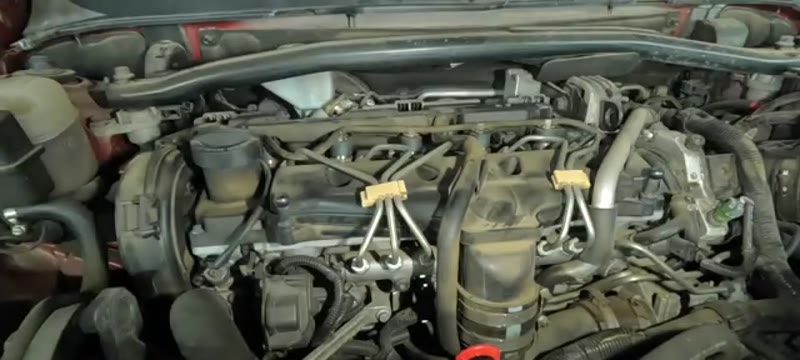
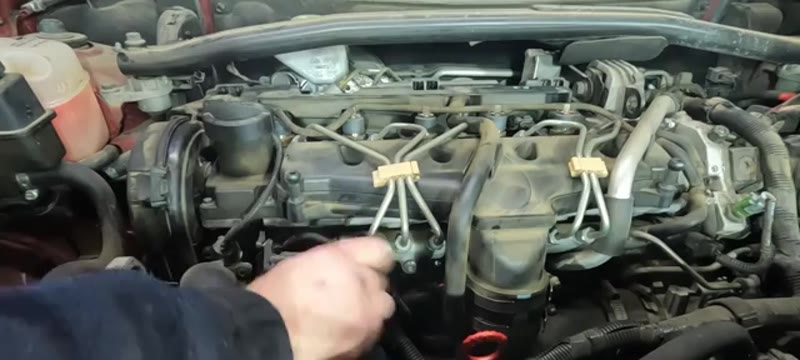
Locate the glow plugs
On most diesel engines, the glow plugs are positioned along the top of the engine - one per cylinder. They'll have individual electrical connectors (small bullet-style connectors) or a bus-bar linking them all.
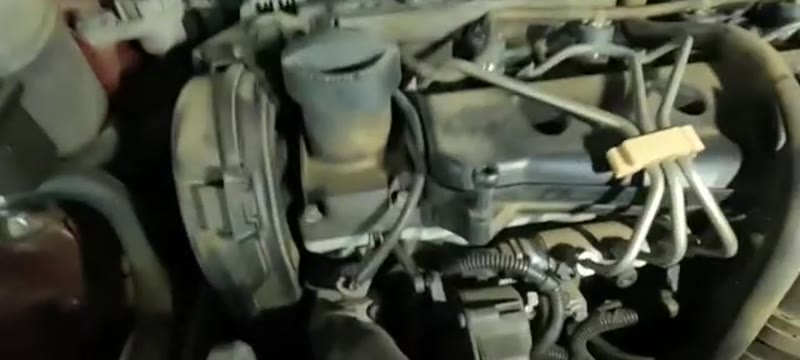
Disconnect the glow plug connector
Disconnect the electrical connector from the first glow plug. On engines with a bus-bar, carefully remove the bar from all plugs to access each one individually.
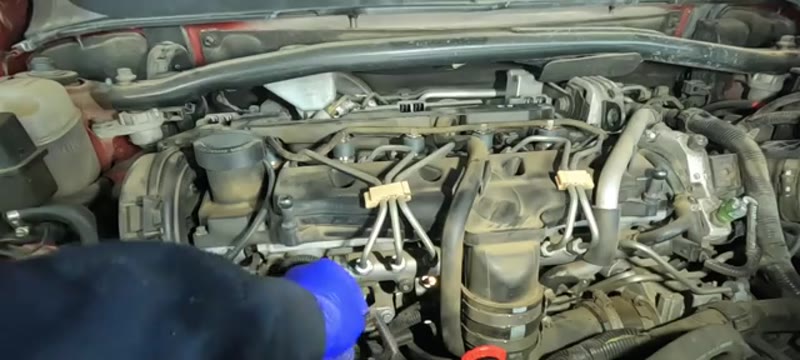
Test with the multimeter on resistance (Ω) mode
Place one multimeter probe on the terminal of the glow plug and the other probe on a good earth point on the engine block. A working glow plug will show a very low resistance - typically 0.5–2 ohms. An open circuit (OL or infinite resistance) means the plug has failed internally.
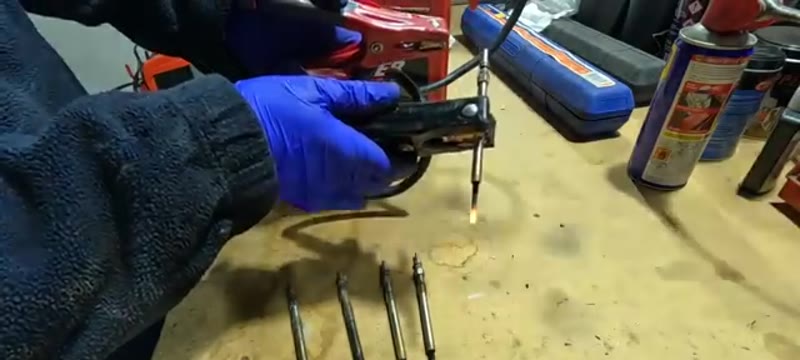
Test all plugs and note the readings
Test every glow plug in turn and write down the resistance of each. All readings should be similar. A plug showing significantly higher resistance than the others, or OL (open circuit), is faulty and should be replaced.
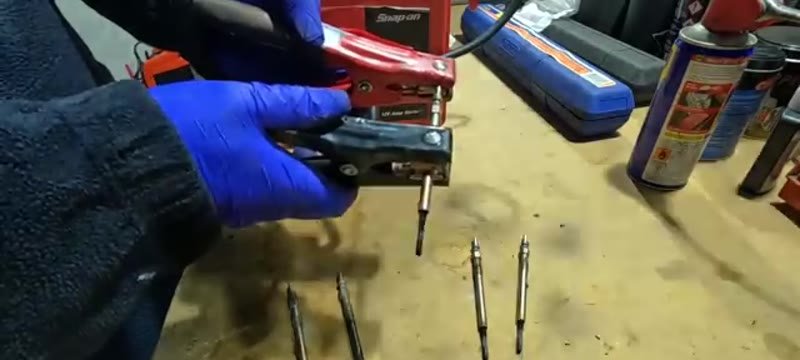
Reconnect or replace as needed
If one or more plugs fail the test, replace them. It's good practice to replace all glow plugs at the same time if the engine has high mileage, as the rest are likely near the end of their life too.
Diesel Car Owner's Troubleshooting Guide
- DPF, EGR, glow plugs and injectors explained properly
- How to clear a blocked DPF without a new one
- The diesel faults that turn into four-figure bills if ignored
Instant PDF download · works on phone, tablet or PC · 7-day money-back guarantee
Why Glow Plugs Fail - the Physics of a Hard Life
A glow plug is a resistance heater asked to hit around 1,000 degrees in a few seconds, hundreds of cold mornings a year, while living screwed into a combustion chamber that hammers it with pressure spikes the rest of the time. Each heat cycle micro-cracks the element a little more, and eventually one goes open-circuit - which is why plugs fail one at a time over winters rather than all at once, and why a diesel's cold starts get gradually lumpier over a couple of years rather than failing overnight. Typical life is 80,000–120,000 miles, but heat cycles matter more than miles: a short-trip car that starts cold four times a day ages its plugs far faster than a motorway cruiser.
Modern diesels lean on their plugs more than folklore says: as well as cold starting, many engines pulse the plugs after start to smooth the idle and during DPF regenerations. Dead plugs on a modern diesel can therefore mean rough running and failed regenerations, not just slow starts.
What Testing and Fixing Costs
| Route | Typical price | What you get |
|---|---|---|
| Garage diagnose + replace set | £120–£250 | Their multimeter, their hour, a full set fitted |
| DIY test (this guide) | £0–£20 | A multimeter you may already own names the guilty cylinder in minutes |
| DIY test + replace set | £30–£100 | NGK, Bosch or Beru plugs at £8–£25 each |
Typical UK prices across common diesels. The test is the free part - and it also proves when the plugs are innocent, which is worth as much as finding them guilty.
Common Mistakes When Testing Glow Plugs
- Condemning plugs for a relay's crime. If every plug tests healthy but none are heating, the glow control relay or module has failed - one fault, not four. Check for supply voltage at the plugs during pre-heat before buying a single plug.
- Misreading the meter. A healthy plug reads under about one ohm - so a cheap meter's own lead resistance can drown the reading. Touch the probes together first and subtract that figure, or use the meter's zero function.
- Testing with the loom connected. Resistance readings through the wiring measure the circuit, not the plug. Disconnect the supply rail or connector and measure each plug to clean engine metal.
- Yanking corroded terminals. The supply connections are small and brittle after years of heat. Break them and you have added a wiring repair to a diagnosis.
- Treating removal casually because testing went well. Testing is safe; removal is where plugs snap in the head. If a plug must come out, warm engine, penetrating oil, and patience - and read the vehicle-specific guide first.
Related Cold-Start Faults That Mimic Bad Plugs
Half the cars that arrive at this page have healthy plugs, because slow diesel starting has a family of causes: a battery past its prime cranking too slowly to build compression heat (the most common impostor - a diesel needs serious cold cranking amps), corroded earth straps stealing cranking speed, a fuel system drawing air overnight through a perished seal, and on higher-mileage engines simple compression loss. The pattern separates them: glow plug problems improve dramatically on the second start attempt and in mild weather; battery and cranking problems sound slow; fuel problems crank fast but fire late regardless of temperature.
If the ECU has logged glow plug circuit codes, the electrical side is confirmed before you touch a spanner. For the hands-on replacement, our Trafic glow plug guide shows the full job on a typical engine, and the symptom finder runs the whole cold-start diagnosis in order.
Fast Diagnosis, Easy to DIY
Testing glow plugs takes around 15 minutes and can save you an expensive diagnostic fee at a garage. Once you know which plug (or plugs) have failed, you can order the right replacements and fit them yourself - or at least walk into the garage knowing exactly what's needed.