Overview
This is a very common, well-known issue on the Ford Focus ST Diesel. The engine management light comes on and a scan reveals fault code P2459 - Particulate Filter Pressure Sensor A Circuit High Voltage. Most garages jump straight to condemning the DPF sensor or the DPF itself, but the real cause is far simpler and far cheaper to fix: a broken or corroded wire in the sensor wiring loom.
The small signal wire in the loom - usually blue or blue-tracer - fatigues and breaks due to heat cycling and vibration in the engine bay. The ECU sees the open circuit and interprets it as a high voltage signal, hence the code. Peel back the wiring sheath, find the break, repair it, clear the code and you are done. This job takes 30–45 minutes and costs virtually nothing beyond your time and a small amount of repair materials.
Symptoms of This Fault
- Engine management light illuminated
- Fault code P2459 - Particulate Filter Pressure Sensor A Circuit High Voltage
- DPF pressure sensor live data spiking or reading maximum voltage
- DPF regeneration not completing correctly (long-term effect)
- No noticeable performance difference initially - but DPF problems will develop if left
Parts & Tools
Shop Parts & Tools for This Job
As an Amazon Associate, Mr Auto Fixer earns from qualifying purchases. Prices and availability may vary.
Diesel Car Owner's Troubleshooting Guide
- DPF, EGR, glow plugs and injectors explained properly
- How to clear a blocked DPF without a new one
- The diesel faults that turn into four-figure bills if ignored
Instant PDF download · works on phone, tablet or PC · 7-day money-back guarantee
Step-by-Step Guide
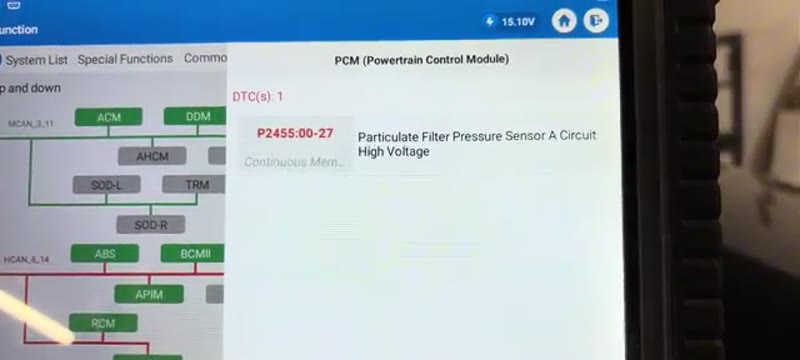
Scan for fault codes and confirm P2459
Plug in your OBD scanner and retrieve the stored codes. The primary code is P2459 - Particulate Filter Pressure Sensor A Circuit High Voltage. While you have the scanner connected, switch to live data and look at the DPF pressure sensor reading. You will likely see it spiking to maximum or showing an erratic, impossible reading. This confirms the wiring is open circuit - the sensor itself is fine and reading zero actual pressure, but the broken wire is being interpreted as a high voltage signal by the ECU.
Locate the DPF pressure sensor in the engine bay
The DPF differential pressure sensor is bolted to the inner wing or firewall area of the engine bay. It is a small black or grey plastic unit with two thin rubber hoses attached - these run to pressure tapping points on either side of the DPF filter body. There is also a small electrical connector feeding the sensor. Locate it and trace the wiring loom from the connector back towards the body of the car.
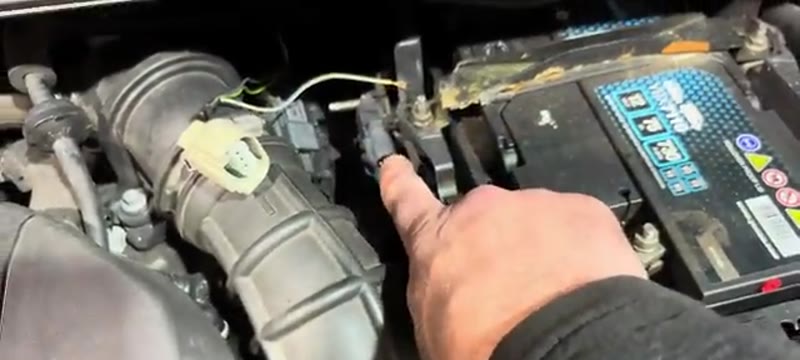
Unplug the connector and peel back the loom sheathing
Disconnect the sensor plug by squeezing the retaining tab and pulling it free. Now carefully peel back or cut away the outer wiring sheath (loom tape, corrugated conduit or heat-resistant sleeve) along the loom running to the sensor. You are looking for the small blue or blue-tracer wire - it runs alongside one or two other wires in the loom and is very thin gauge.
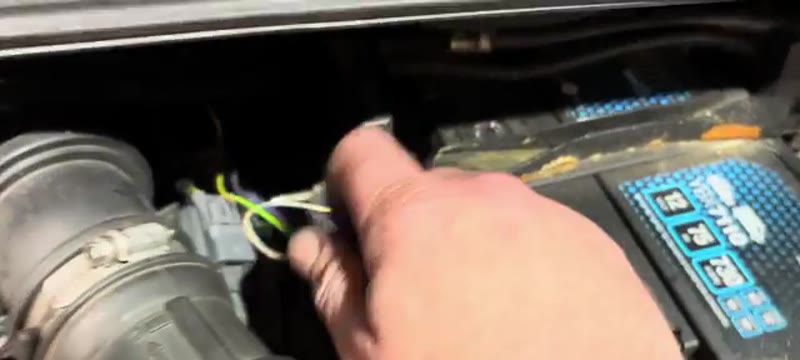
Find the break in the wire
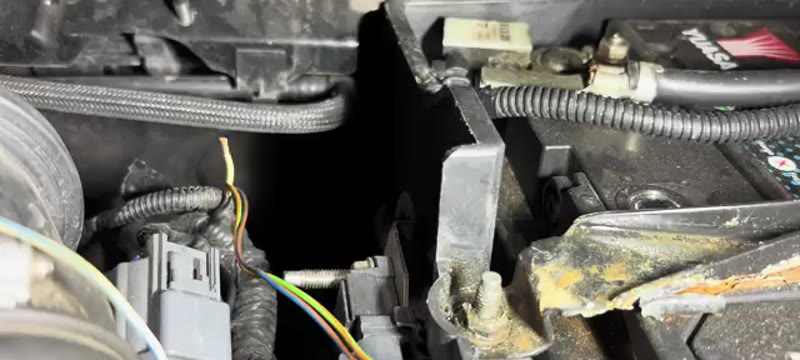
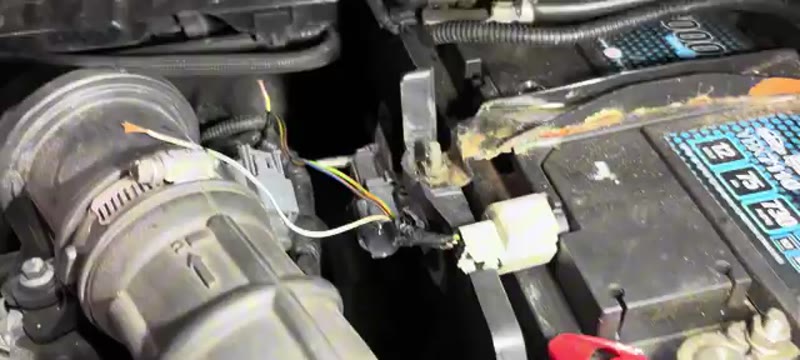
With the sheathing peeled back, inspect every centimetre of the blue wire. You will find a visible break, a heavily corroded section, or a point where the wire pulls apart with minimal force. The break is almost always within 10–15 cm of the sensor connector where the loom flexes most frequently. If the wire looks intact on the outside, run your fingers along it firmly and it will flex apart at the break point inside the insulation.
Repair the broken wire
Strip a short length of insulation from both broken ends of the wire using wire strippers. Join the ends by either: (a) soldering them together with automotive-grade solder and covering with an appropriately sized heat-shrink sleeve - this is the most reliable method; or (b) using a solder-filled heat-shrink splice connector, which does both jobs in one. Ensure the joint is strong, fully insulated and cannot flex apart again. Rewrap the repaired section with self-amalgamating tape and re-wrap the full loom with fresh loom tape to protect it going forward.
Reconnect, clear codes and verify the fix
Push the sensor connector firmly home until it clicks. Use your OBD scanner to clear the P2459 code. Start the engine and return to the live data view - the DPF pressure sensor reading should now show a stable, low-voltage reading at idle. Road test the car and rescan on return. If P2459 does not return and the live reading remains sensible, the repair is complete.
Why This Tiny Wire Causes Such Expensive Panic
The DPF differential pressure sensor is how the ECU knows what is happening inside the particulate filter: two thin hoses and a wiring plug measure the pressure drop across the filter, and from that single reading the car decides when to regenerate and when to declare the DPF blocked. When the sensor's wiring chafes through - and on the diesel Focus ST the loom's routing makes that a known event - the ECU gets nonsense readings and reacts as if the DPF has failed: warning lights, limp mode, and a garage conversation that starts at four figures because "DPF" is in the fault description. The actual fault is a few centimetres of broken copper.
The confirming clue is fault code P2453 (DPF pressure sensor circuit) - a sensor circuit code, not a filter blockage code. That distinction is worth remembering before anyone quotes you for a new DPF.
What This Fault Costs at Each Door
| Who fixes it | Typical price | What actually happens |
|---|---|---|
| Worst case misdiagnosis | £1,000+ | A new DPF fitted to cure a wiring fault - it happens weekly somewhere |
| Garage (correct diagnosis) | £100–£300 | Diagnostic time plus a loom repair |
| DIY with this guide | Under £5 | Heat-shrink butt connectors, 45 minutes, done |
Typical UK prices. The spread on this fault is the widest on the site - which is exactly why it pays to check the wiring before believing any DPF quote.
Common Mistakes on This Repair
- Twisting wires together and taping. Engine bay vibration and moisture destroy a twist-joint in months and the fault returns intermittently - the worst kind. Solder or crimped heat-shrink connectors only.
- Repairing the break but not the cause. The wire chafed on something. Re-route the repaired section and sleeve it, or the same edge cuts the same wire next year.
- Mixing up the sensor hoses. If the two pressure hoses come off, mark them - reversed hoses give mirror-image nonsense readings and a fresh set of codes.
- Not clearing the codes afterwards. The ECU holds the fault and may stay in limp mode until cleared. A £20 reader finishes the repair.
- Skipping the regeneration run. While the sensor was lying, the car may have skipped regenerations. A 20-minute motorway run at steady revs lets the DPF catch up - check the guide's final step.
Related DPF Faults - Wire, Sensor, or Filter?
Three different price tags hide behind the same warning light. Chafed wiring (this guide): under £5. A failed sensor itself - they drift with age - is £25–£60 and plugs in. A genuinely blocked DPF from years of short trips is the four-figure conversation, but it is also the rarest of the three on a car that sees motorway miles. Work up the list in price order and you will never overpay: wiring first, sensor second, filter last.
Our DPF problems guide explains how the filter actually works and the driving habits that keep it clear, the DPF cost guide covers the worst-case numbers honestly, and the symptom finder sorts DPF symptoms from turbo and EGR lookalikes.
Cheap Fix for an Expensive-Looking Code
P2459 on the Ford Focus ST Diesel is almost always a broken wire, not a failed sensor or a blocked DPF. The repair costs pennies in materials and takes under an hour. Do not let a garage sell you a new DPF pressure sensor - or worse, a DPF clean - without first confirming the wire is intact. Fix the wire first, clear the code, and the car will run exactly as it should.