Overview
Losing coolant from your Ford Focus without any obvious external leak is one of the most frustrating cooling system faults. The level keeps dropping but you can't see where it's going. This guide covers the most common causes and how to diagnose each one systematically.
Common Causes of Coolant Loss on Ford Focus
Check the expansion tank and cap first
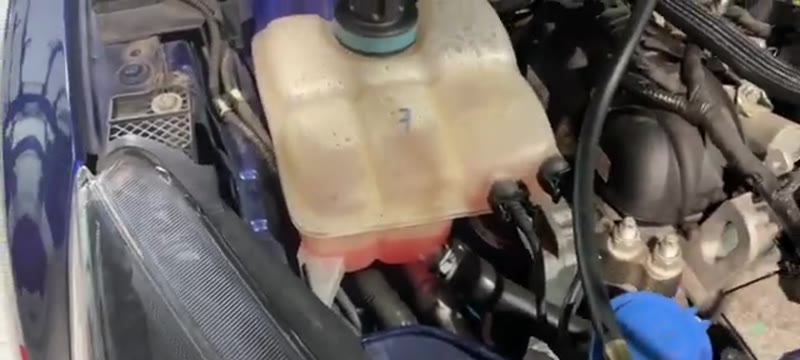
The plastic expansion tank on the Ford Focus is a known weak point. Inspect it carefully for hairline cracks, particularly around the filler neck, seams, and any connection points. Also check the pressure cap - a worn or faulty cap won't hold pressure, causing coolant to boil off. A new cap costs a few pounds and is worth replacing as a first step.
Inspect all hoses and connections
With the engine cold, squeeze and inspect all coolant hoses - top and bottom radiator hoses, heater hoses, and any smaller bleed hoses. Look for cracks, soft spots, perishing, or signs of dried coolant (white or brown residue) around clamps and joints. Even a tiny weep can cause significant coolant loss over time.
Check the radiator for leaks
Inspect the radiator core and end tanks for signs of leaks or damage. Look for dried coolant staining on the fins or around the seams. A UV leak detection dye kit added to the coolant can make small leaks visible under UV light.
Check the heater matrix
A leaking heater matrix will typically cause coolant loss with no visible external leak. Signs include a sweet smell inside the cabin, misted windows that don't clear, or a damp/wet passenger footwell carpet. This is a more involved repair as the dashboard often needs partial removal.
Pressure test the cooling system
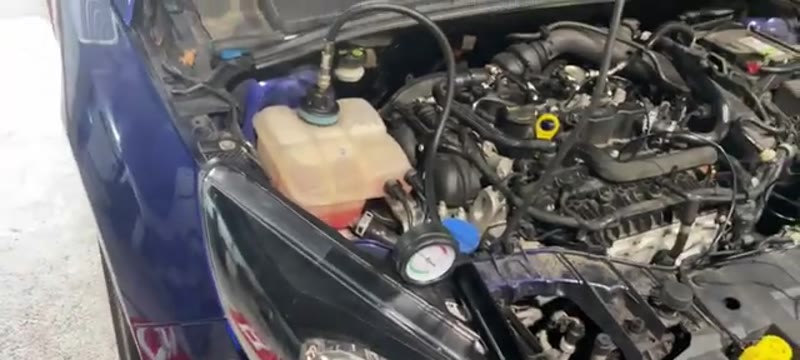
A cooling system pressure tester (available cheaply) attaches to the expansion tank and lets you pressurise the system to check for drops that indicate a leak. This is the most reliable method to find slow leaks. Pump to the cap's rated pressure (usually 1.2–1.4 bar) and watch the gauge - any drop over a few minutes points to a leak somewhere.
Check for head gasket failure
If no external leak is found and coolant continues to disappear, the head gasket may be leaking internally - coolant burns in the combustion chamber and exits as steam from the exhaust. Check for: white sweet-smelling exhaust smoke, mayonnaise-like deposits under the oil filler cap, bubbles in the coolant when the engine revs, or oil contamination in the coolant. A combustion gas test kit (block test) can confirm head gasket failure definitively.
Pressurise the system and pull the spark plugs
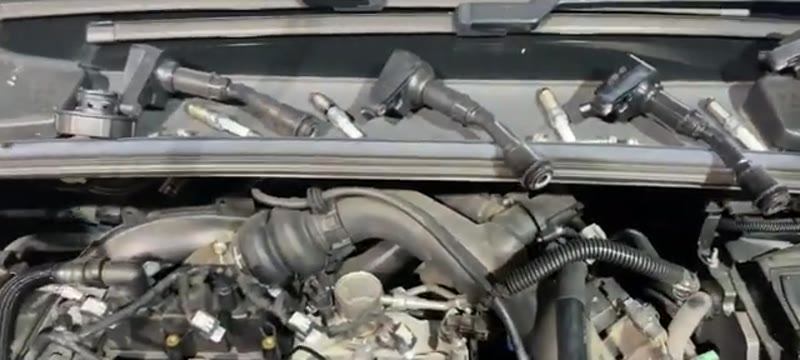
If the gauge drops but nothing outside the engine is ever wet, the coolant is going inside. Leave the pressure tester fitted and holding pressure, then lift off the coil packs and remove all four spark plugs. Keeping the system pressurised while the plugs are out is the whole trick: it forces coolant past the fault so it collects where you can see it. Release the pressure first and you can look straight down a failing bore and find nothing at all.
Borescope each cylinder
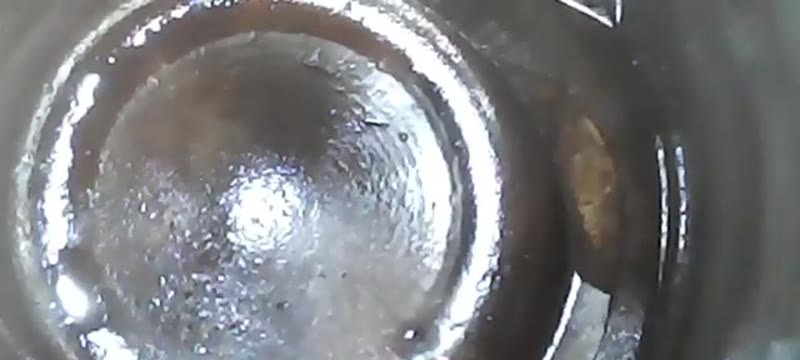
Feed a borescope down each plug hole and inspect the bore walls and the piston crown. A cylinder taking coolant announces itself: the crown is wet and steam-cleaned bright while its neighbours sit dry and sooty, and with the system still under pressure you can often catch coolant actively weeping in. Check all four before drawing a conclusion, because the contrast between a clean piston and a dirty one is the evidence, not the wet patch on its own.
Head Gasket or Cracked Water Jacket?
Finding coolant in a bore proves it is getting in. It does not tell you where from, and on Ford petrol engines there are two answers that look identical from above. A failed head gasket is the one everybody names. A cracked water jacket in the block itself is the one that catches people out, and it is more common on these engines than most owners expect. The distinction is the difference between a substantial but ordinary repair and a replacement engine, so it is worth being honest about how far the evidence actually takes you.
A combustion leak tester on the expansion tank will show combustion gases in the coolant, which leans towards the gasket, but a cracked jacket can produce exactly the same reading. In practice you often cannot separate the two with certainty until the head is off and the deck is inspected. That matters before anyone starts stripping: on an older high-mileage Focus, the cost of a strip that ends in a cracked block can quietly exceed what the car is worth. Get a realistic price for a used engine first, so the decision is made with the numbers in front of you rather than halfway through a dismantled engine bay.
Shop Parts & Tools for This Job
As an Amazon Associate, Mr Auto Fixer earns from qualifying purchases. Prices and availability may vary.
DIY Car Service Guide
- Full service at home: oil, filters, plugs, fluids
- Which jobs are safe to DIY and which are not
- What a garage charges for each item, so you know the saving
Instant PDF download · works on phone, tablet or PC · 7-day money-back guarantee
Why Focuses Lose Coolant - the Usual Suspects, Ranked
Coolant does not evaporate and it does not wear out - if the bottle needs topping up, the system is losing it somewhere, and on the Focus the suspects rank in a well-known order. The degas bottle (the pressurised expansion tank) hairline-cracks along its seams with age and heat cycles - the classic Focus leak, often invisible until you catch the crusty pink-white residue along a seam. The plastic thermostat housing on the petrol engines is next, warping and weeping at its gasket. Then come hose joints and jubilee clips, the water pump's tell-tale weep hole, and the radiator's plastic end tanks. The point of the ranking: the most likely causes are also the cheapest, so diagnose before anyone mentions the scary options.
What Each Diagnosis Costs to Fix
| Cause (in likelihood order) | DIY parts | Garage price |
|---|---|---|
| Degas bottle / cap | £20–£45 | £80–£150 |
| Hose or clip | £10–£30 | £60–£120 |
| Thermostat housing | £30–£80 | £150–£280 |
| Water pump | £40–£90 | £200–£350 |
| Radiator | £80–£150 | £250–£400 |
| Head gasket (worst case) | £60 + serious labour | £600–£1,200 |
Typical UK prices for common Focus engines. Note the gap between the top and bottom rows - which is why the diagnosis steps in this guide are worth an unhurried hour.
Common Mistakes in Coolant-Loss Diagnosis
- Topping up and hoping for months. Every litre lost passed through somewhere it should not - possibly the cylinders. Small leaks only ever grow, and dilution with plain water degrades the antifreeze protecting the engine this winter.
- Pressure-testing only a cold engine. Several Focus leaks - the degas bottle especially - only open up hot and pressurised. Check cold for residue, then inspect again after a full heat cycle.
- Condemning the head gasket first. It is the rarest cause and the most expensive - it earns suspicion only with the specific signs: white exhaust smoke, oil like mayonnaise, bubbles in the bottle, or repeated unexplained pressure loss after everything external is eliminated.
- Missing the heater matrix. Coolant that vanishes with no external trace plus misted windows and a sweet smell inside means the matrix is leaking into the cabin - check the passenger carpet with your palm.
- Refilling without bleeding. The Focus airlocks if refilled carelessly, and an airlock overheats the engine you just fixed. Follow the bleed procedure, heater on hot, and watch the gauge on the first run.
Related Cooling-System Faults on the Focus
Coolant loss travels with two neighbours. A thermostat stuck open makes the engine run cold and log fault code P0128 - often alongside a weeping housing, so check both while you are there. And repeated overheating from low coolant is itself a head-gasket risk: every overheat event on a low bottle shortens the gasket's life, which is how a £25 degas bottle ignored becomes the £1,000 row of the table above. If the car is overheating rather than just losing coolant, stop driving it and diagnose stationary. The symptom finder walks the loss/overheat/smell combinations to a verdict, and the warning lights guide decodes what the temperature light demands.
Diagnose It Before It Gets Worse
Coolant loss on the Ford Focus has a range of causes from trivial (loose clip, cracked tank) to serious (head gasket). Work through the checks in order - start with the cheap and easy things before assuming the worst. Watch the full video to see exactly what to look for on the Focus specifically.