What Is P0340?
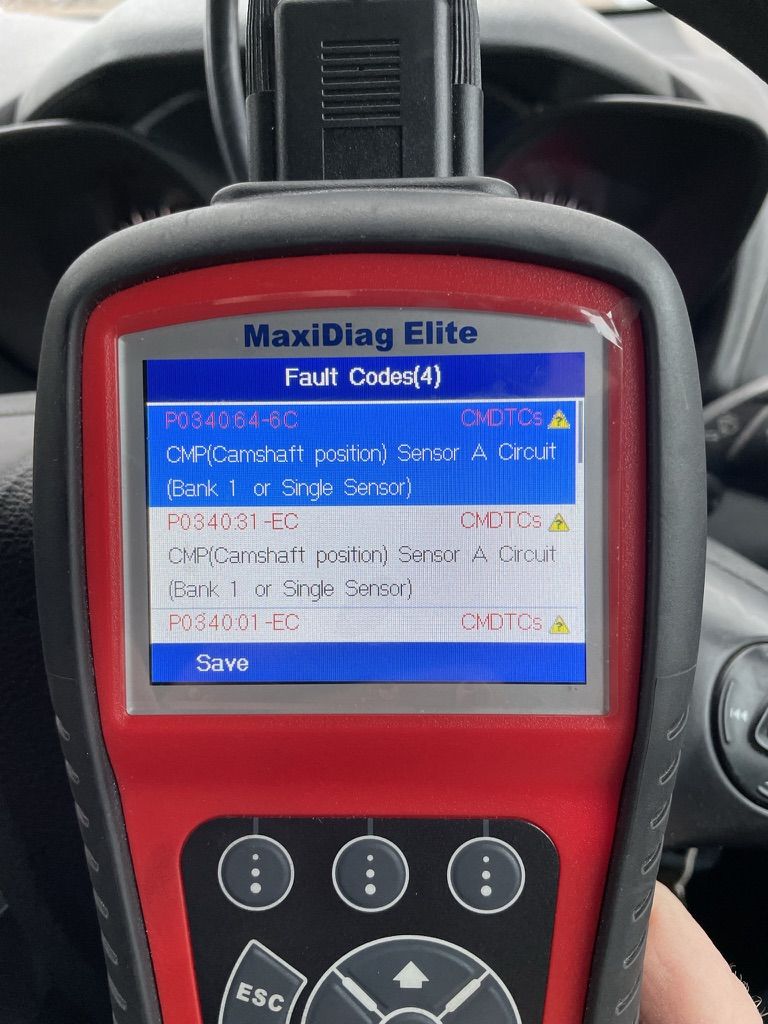
P0340 is a sensor circuit code. The camshaft position sensor (CMP) generates a signal as the camshaft rotates, telling the ECU when intake and exhaust valves are opening. This signal is critical - the ECU uses it to synchronise fuel injector timing with the compression stroke of each cylinder. Without this signal, the ECU cannot fire the injectors at the right moment, and the engine cannot run.
P0340 means the sensor is not sending any signal to the ECU. Possible causes: faulty sensor, damaged wiring, loose connector, reluctor ring damage, or ECU input failure.
Common Symptoms
- Engine will not start or cranks but fails to start
- Engine starts then immediately stalls or dies
- Check engine light illuminated or flashing
- No sound from fuel pump (may indicate ECU shutdown)
- Complete lack of power if it somehow starts and runs
Common Causes
OBD Fault Code Plain English Guide
- 100 most common UK fault codes in plain English
- A severity rating for every code so you know what can wait
- Causes and next steps listed for each fault
Instant PDF download · works on phone, tablet or PC · 7-day money-back guarantee
How to Diagnose P0340
Inspect the Cam Sensor Connector
Locate the camshaft position sensor on the cylinder head (usually near the timing cover or valve cover on Bank 1). Disconnect the connector and visually inspect for corrosion, bent pins, or water damage. Clean any green or white corrosion with electrical contact cleaner. Reseat the connector firmly and clear the code. Test again.
Check the Wiring Harness
Follow the sensor wiring from the connector along the engine towards the ECU. Look for cuts, abrasions, heat damage, or pinched wires. Check where the harness passes through clips and sharp edges - vibration can fray insulation. If damage is found, repair or replace the affected section of wiring.
Monitor Sensor Signal with Scanner
Connect an OBD scanner and monitor the camshaft position sensor signal in live data mode while cranking the engine. The voltage or frequency should show a regular oscillating pattern as the cam rotates. If the signal is frozen at a constant value or shows no activity, the sensor is faulty.
Visually Inspect the Reluctor Ring
If possible, remove the valve cover or timing cover to access the camshaft. Look at the reluctor ring (the metal target with teeth or magnetic pattern on the cam). Check for bent, missing, or corroded teeth. If the ring is damaged, it must be replaced or the cam must be replaced.
Test Sensor Resistance
Disconnect the sensor. Using a multimeter on resistance mode, measure the sensor element. Most cam sensors should read 200–900 ohms. Zero ohms or infinite resistance indicates a failed sensor. If the reading is in range, the sensor may be okay and the problem is wiring or ECU.
Mechanic's Corner - P0340 on UK Cars
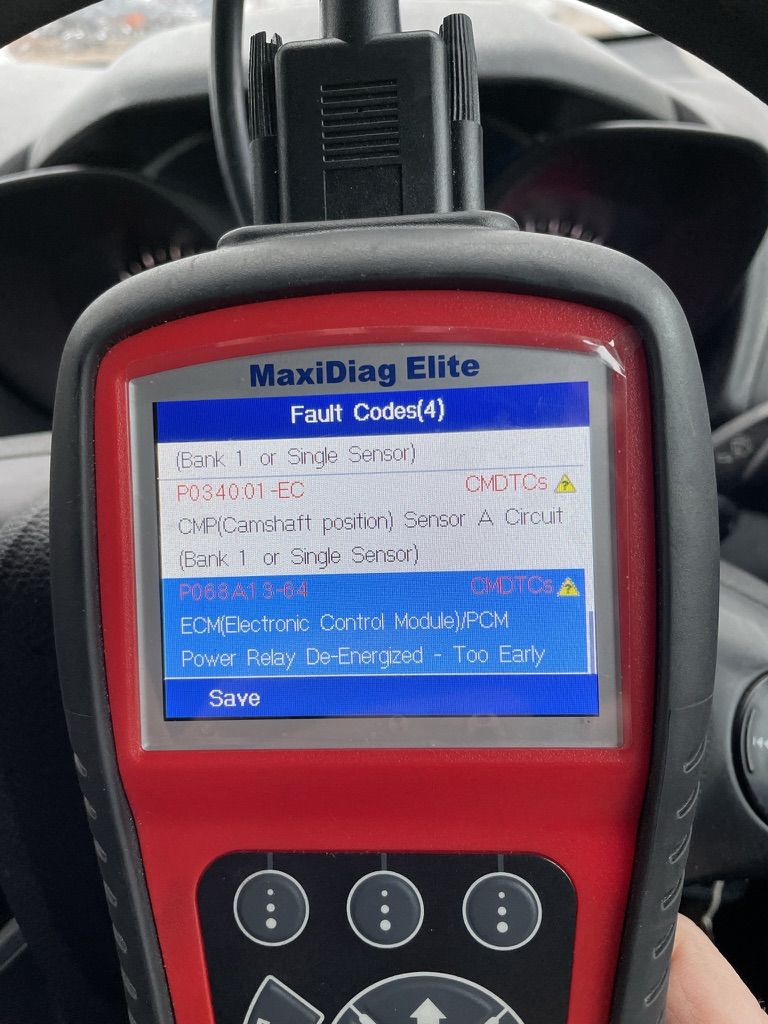
On timing chain-driven engines - particularly the Ford EcoBoost family (1.0, 1.6), BMW N-series, and Vauxhall 1.6 CDTI - P0340 (camshaft position sensor fault) should prompt an immediate check of the timing chain condition. A stretched timing chain retards camshaft position and can produce a P0340 alongside cam correlation codes. If P0340 appears on a high-mileage chain-driven engine, check for timing chain rattle on cold start and inspect variable valve timing control via live scanner data before simply replacing the sensor.
When replacing a camshaft position sensor, always check that the reluctor wheel (the trigger ring on the camshaft) is undamaged. A missing or chipped tooth on the reluctor causes an identical sensor fault code but cannot be resolved by sensor replacement. Inspect the reluctor with an inspection camera or by hand before condemning the sensor.
Verdict
P0340 diagnosis starts with checking connectors and wiring - these are often the culprits and can be fixed for free or minimal cost. If wiring is clean and tight, test the sensor signal with a scanner. If no signal is present, the sensor likely needs replacement (£180–£400 including labour). Reluctor ring and ECU faults are rarer.