What Is P0016?
P0016 is a correlation code. The ECU uses camshaft and crankshaft position signals to synchronise fuel injection and spark timing precisely. The crank signal tells the ECU when the piston reaches top dead centre, and the cam signal tells when a specific intake valve opens. These signals must match exactly - if the cam is rotating at the wrong phase relative to the crank, they fall out of correlation and P0016 is triggered.
This code is serious because it usually indicates a stretched or slipped timing chain, faulty sensors, or damaged sprocket teeth. An engine with P0016 will either not start or run very rough if it does.
Common Symptoms
- Engine will not start or cranks but won't run
- Severe rough idle or stumbling if it manages to run
- Check engine light flashing or solid
- Rattling or knocking from timing area when cranking
- Severe hesitation and lack of power if somehow running
Common Causes
How to Diagnose P0016
Every P0016 outcome, written out in full
The tool above asks a couple of questions and lands you on one of these 6 results. They are all set out here as well, so you can read them without clicking through, compare them against each other, or check one on a phone with no signal.
If you answered It will not start, or it fires and dies straight away
Stop, do not drive P0016 with a no-start is the version of this code you do not gamble with. The engine management has decided the crankshaft and the camshaft are no longer in the right positions relative to each other, and it is refusing to fire because of it.
- Timing chain or belt has jumped a tooth (Most likely) Once the timing has skipped, valve and piston movement no longer line up and the correlation the ECU checks for disappears. Repeated cranking on a jumped belt is what turns a timing job into a cylinder head job, so stop turning the key.
- Snapped wet belt or shredded belt teeth (Likely) On the wet belt engines fitted to a lot of small Fords and Peugeots the belt runs in oil and sheds its teeth as it ages rather than snapping cleanly. The debris then blocks the oil pickup, so one failed part leaves you with two serious problems. What a wet belt replacement costs
- Crankshaft sensor with no signal at all (Possible) A dead crank sensor stops the ECU knowing where the engine is, which blocks starting and can log a correlation fault alongside it. It is the cheap outcome here and worth confirming before anybody quotes for timing work.
What to do next: Stop cranking it and get it looked at where it stands. If a compression test shows even cylinders, the timing has probably slipped without bending anything and you have got away with it. Turning the engine over again and again to see if it will catch is exactly what closes that window.
OBD Fault Code Plain English Guide
- 100 most common UK fault codes in plain English
- A severity rating for every code so you know what can wait
- Causes and next steps listed for each fault
Instant PDF download · works on phone, tablet or PC · 7-day money-back guarantee
If you answered It rattles for a second or two on a cold start
Drive carefully, book it in A rattle for the first second or two of a cold start alongside this code is the classic sound of a tired timing chain and a tensioner that has bled down overnight. It is a warning with a limited shelf life rather than a noise to get used to.
- Stretched timing chain (Most likely) Chains do not really stretch, they wear at every pin and roller until the total length grows and the cam falls behind the crank. That extra slack is the correlation error the ECU is measuring, and it only ever goes one way. What a timing chain job costs
- Collapsed or leaking chain tensioner (Likely) The tensioner is hydraulic and drains down while the engine sits overnight, so the first couple of seconds of a cold start are when the chain is at its loosest. That is why the rattle appears then and disappears once oil pressure builds.
- Worn guides letting the chain wander (Possible) Plastic chain guides go brittle with heat and age and eventually break away in pieces. A chain running without proper guidance whips between the sprockets and throws the timing out even when the chain itself still measures acceptably.
What to do next: Treat the rattle as a countdown rather than a quirk. A chain you can hear on cold start can still be changed as a planned job, while a chain that jumps takes the valves and pistons with it. Get a quote this week rather than next month.
If you answered It appeared straight after timing belt or chain work
Stop, do not drive A correlation fault that appeared immediately after timing work is almost never a coincidence and almost never a faulty sensor. Something in the job is a tooth out, and the engine is telling you before it does any real harm.
- Belt or chain fitted one tooth out (Most likely) A single tooth is enough to put the cam far enough out for the ECU to flag it while the engine still runs well enough to drive away from the garage. This is the most common outcome of a rushed timing job by a wide margin.
- Locking tools removed before the pulley was torqued (Likely) On engines where the cam pulley is not keyed to the shaft, everything depends on that pulley being clamped at full torque while the locking tools are still in. If it slips a fraction as the tools come out, the timing walks and no amount of sensor swapping will fix it. Cambelt and chain jobs explained
- Variable valve timing unit not reset or refitted wrong (Possible) Cam phasers have to sit at their locked position when the timing is set, and some need their adaptations clearing afterwards. A phaser assembled off its stop reads as a permanent correlation error even with the belt on correctly.
What to do next: Go back to whoever did the work before you touch anything yourself, and go back quickly. Timing work carries a guarantee and this is the fault that guarantee exists for. Paying somebody else to strip it removes your evidence and your claim at the same time.
If you answered It appeared after the oil ran low or after an oil change
Drive carefully, book it in A correlation code that shows up around low oil or an oil change is worth taking seriously without panicking. Variable valve timing runs on oil pressure, so it is genuinely possible for this to be about the oil rather than the timing gear.
- Wrong oil grade or oil long overdue (Most likely) Cam phasers are hydraulic and need the right viscosity to respond within the time the ECU allows. Thick, tired or incorrect oil makes the cam lag the command far enough to log a fault, and a proper oil and filter change really does clear some of these.
- Blocked filter screen behind the timing solenoid (Likely) There is a small gauze screen behind the valve timing solenoid that traps debris, and once it silts up the phaser can no longer be fed properly. Cleaning it is a cheap job that gets skipped constantly because most people do not know it is there. Cleaning a valve timing solenoid
- Oil level low enough to aerate (Possible) An engine run low on oil draws air into the pump on roundabouts and under hard braking, and a phaser fed with froth cannot hold its position. If the level was ever near the bottom of the dipstick, that alone can explain a stored fault.
What to do next: Change the oil and filter using the exact grade the manufacturer specifies, clear the code and drive it properly for a week. If it stays away you have found it cheaply. If it comes straight back, stop treating it as an oil problem and move on to the timing gear itself.
If you answered It runs normally and only the light is on, then On time, correct grade oil, full history
Drive carefully, book it in A well serviced engine that runs cleanly with nothing but the light on is the best version of this code. The timing being mechanically fine and a sensor or its wiring being at fault is a real possibility here rather than wishful thinking.
- Camshaft position sensor reading late (Most likely) A sensor that is weakening reports the cam edge slightly out of step, and the ECU compares that against the crank signal and flags a mismatch that is not mechanically there. A steady offset in live data rather than a wandering one points this way. P0340 camshaft position sensor circuit
- Reluctor ring or sensor face contaminated (Likely) Clutch dust and swarf in the oil cling to the magnetic tip and blur the signal edge the ECU is timing against. Pulling the sensor and wiping the tip is a five minute job that has fixed more of these than most people would believe.
- Chafed sensor wiring or a poor earth (Possible) Both sensor looms run near hot, moving parts and rub through against brackets over the years. An intermittent open circuit produces a correlation error with no mechanical fault at all, which is why wiggling the loom during live data is worth the trouble. P0335 crankshaft sensor circuit
What to do next: Read live data from both sensors before you spend anything. A mechanical timing error shows a consistent offset that does not change with revs, while a failing sensor usually drops out or wanders. If you are unsure, a compression test tells you whether the valves are still where they should be.
If you answered It runs normally and only the light is on, then Missed services, unknown history or cheap oil
Drive carefully, book it in Patchy or unknown history with this code stored moves the odds firmly towards wear rather than electrics. Timing chains and wet belts do not fail on mileage so much as on how often the oil was actually changed.
- Chain worn past its adjustment range (Most likely) Long service intervals and cheap oil accelerate chain wear enormously, and once the tensioner has run out of travel there is nothing left to take up. Engines with a reputation for this rarely reach high mileage on a neglected service book.
- Wet belt breaking down in old oil (Likely) A belt that runs in oil depends completely on that oil being changed on schedule. Left too long the belt material softens and sheds, and a stored fault code is often the first warning anybody gets. Cambelt and belt job costs
- Sludge starving the tensioner and phasers (Possible) Neglected oil turns to sludge that blocks the narrow feeds to the tensioner and the cam phasers long before it blocks anything obvious. The timing gear then runs half dry and wears at several times the normal rate.
What to do next: Get the rocker cover off and have somebody look at the chain, the guides and where the tensioner is sitting before deciding anything. If this is a high mileage car with no history and the quote lands anywhere near what the car is worth, that becomes a keep or sell decision rather than a repair decision.
Check Sensor Connectors
Inspect the crankshaft and camshaft position sensor connectors for corrosion, loose pins, or damaged wiring. Clean any corroded connectors and reseat them fully. Sometimes a loose sensor connector can trigger P0016 without actual timing being wrong. Clear the code and retest.
Test Crank and Cam Sensor Signals
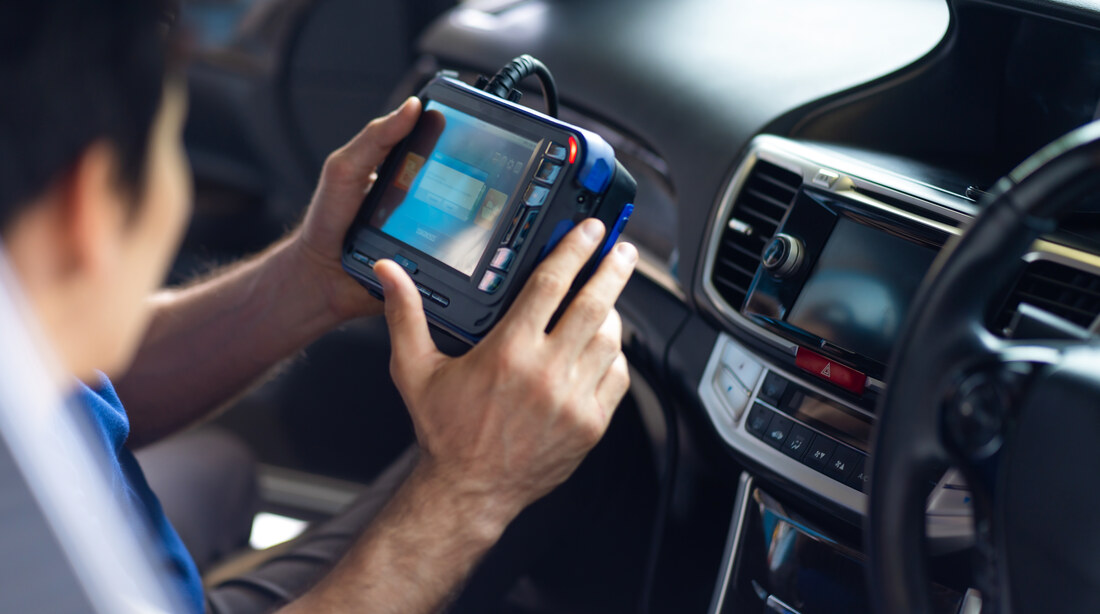
Connect an OBD scanner and monitor the camshaft and crankshaft position sensor signals in live data mode. Both should show regular square-wave signals that oscillate smoothly. If either signal is frozen, erratic, or missing, that sensor is faulty and needs replacement.
Inspect Timing Cover for Chain Rattle
Ask a helper to crank the engine while you listen near the timing cover (front, below cylinder head). A severely stretched or slack chain will rattle loudly. A healthy chain is nearly silent. Loud metallic rattling indicates the chain needs inspection or replacement.
Check Timing Marks Visually
If the vehicle has access windows or if you can safely remove the timing cover, inspect the timing marks on the crankshaft and camshaft sprockets. They should align with witness marks on the engine block. Misalignment indicates the chain has skipped teeth or stretched. This requires removing covers - a professional job on most cars.
Check Oil Level and Condition
Low or dirty oil starves the timing chain of lubrication and accelerates wear. Check the dipstick and condition. If oil is black or smells burnt, perform an oil change. Sludge buildup can cause sensor signal interference, contributing to P0016.
Verdict
P0016 is a serious code. Start by checking sensor connectors and oil condition - cheap fixes that might work. If sensors test okay, the timing chain is likely stretched or slipped, requiring professional timing system inspection and possible replacement. This is a £1000–£2500 repair in most cases. Do not drive the car.