🛒 Shop
Free Guides By Make Fault Codes MOT Checker Shop YouTube

U0100 — Lost Communication with ECM / PCM

By Mr Auto Fixer — Professional Mechanic, 20+ Years Experience

Multiple warning lights on dashboard. ECM has lost communication on the CAN bus network. Learn what causes it and how to diagnose it.

High — Diagnose Immediately
Last checked: May 2026

What Is U0100?

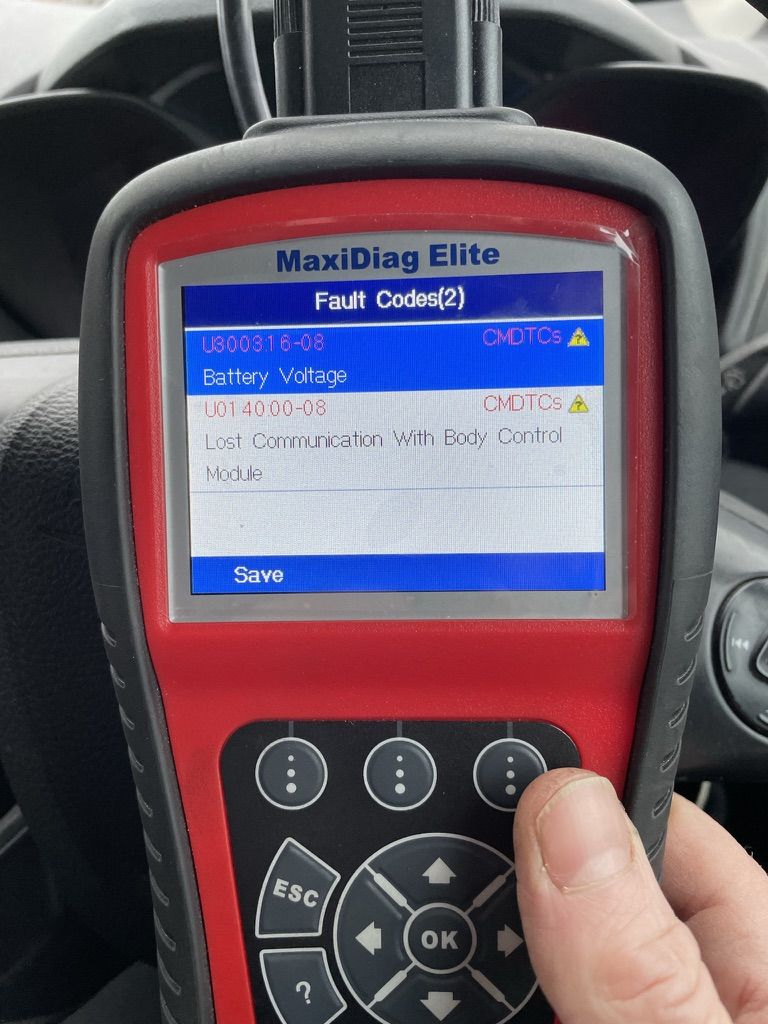
U0100 is a network communication code rather than a component fault code. The "U" prefix indicates a network or CAN bus issue. It means a control module on the vehicle's CAN (Controller Area Network) bus has lost communication with the engine control module (ECM/PCM). Modern vehicles have multiple ECUs — engine, gearbox, ABS, airbag, instrument cluster, and more — all communicating over the CAN bus. When this communication breaks down, multiple systems can fail simultaneously. U0100 can appear as a standalone code or alongside a large number of other codes across multiple systems.

Common Symptoms

  • Multiple warning lights across the dashboard (engine, ABS, ESP, airbag)
  • Complete no-start (in severe cases)
  • Random or erratic instrument cluster readings
  • Gearbox stuck in limp mode
  • Loss of power steering (on electric power steering systems)
  • Engine stalling
  • No communication with scan tool on some modules
Common Causes
Flat or Weak Battery Most common cause. CAN bus communication requires stable voltage. A battery below 12V can cause multiple modules to drop off the network.
Faulty or Corroded CAN Bus Wiring Damaged wiring between modules disrupts communication.
Bad Earth/Ground Connection A poor chassis earth causes voltage irregularities that disrupt CAN bus signals.
Failed or Failing ECM/PCM The ECM itself can fail, causing it to drop off the network.
Faulty Gateway Module On some vehicles a central gateway module routes CAN bus traffic; if it fails, multiple modules lose communication.
Short Circuit on CAN Bus A damaged wire shorting to earth pulls the entire network down.
Recently Added Aftermarket Accessory A poorly wired aftermarket device (dash cam, alarm, etc.) can interfere with the CAN bus.

How to Diagnose U0100

1

Check the Battery Voltage First

Measure with a multimeter. Below 12.4V at rest is cause for concern. Below 12V can cause U0100. Charge or replace the battery before further diagnosis.

2

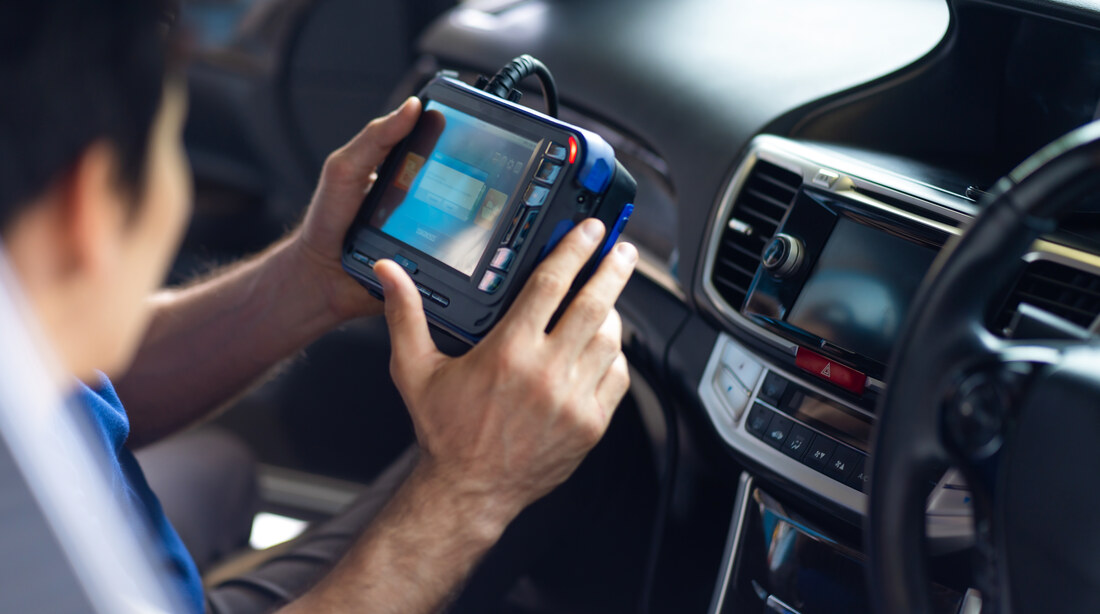
Connect OBD Scanner

Attempt to communicate with all modules. Note which modules respond and which do not. This narrows the fault location.

3

Check All Earth/Ground Connections

Inspect the battery negative terminal, engine earth strap, and body earth connections for corrosion or looseness.

4

Inspect the CAN Bus Wiring

Trace the CAN High and CAN Low wires (usually a twisted pair) for damage, especially near areas of heat, movement, or potential chafing.

5

Check Fuses

The ECM and associated modules have dedicated fuses. A blown fuse can take a module offline and cause U0100.

6

Check for Recent Electrical Work

If the code appeared after a battery change, accessory fitment, or other electrical work, trace that work first.
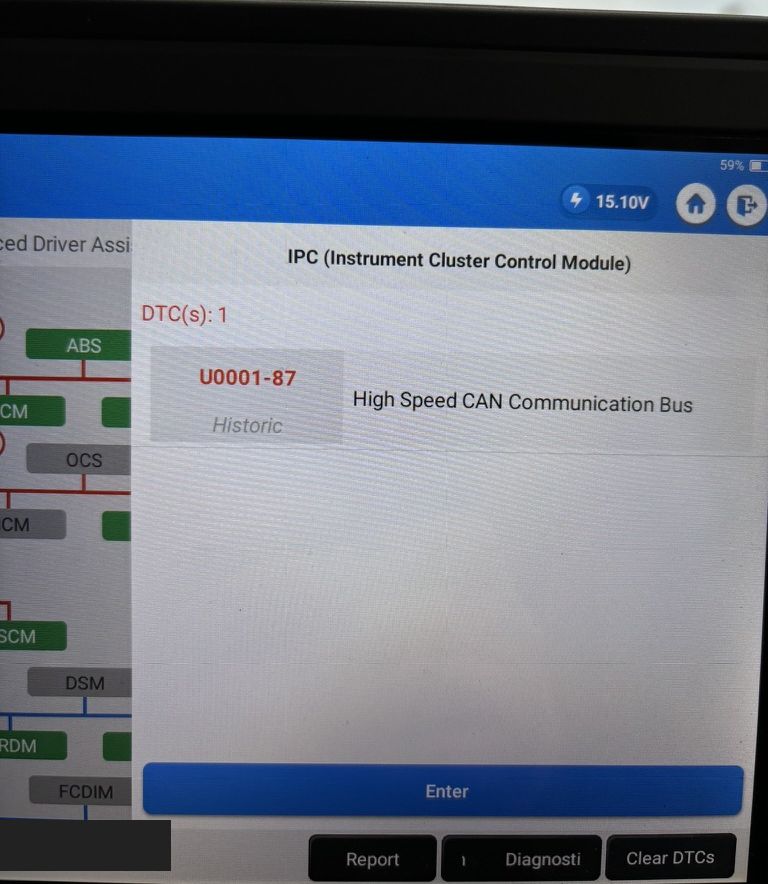
Scanner Limitation U0100 is one of those codes where cheap code readers may not be able to communicate at all, or may give misleading information. A professional-grade scanner with full system access is strongly recommended for proper diagnosis.
Start with the Battery Always start with the battery. A weak battery is responsible for a surprisingly high number of U0100 codes — especially on older vehicles. A simple charge and retest clears the code in many cases.

Verdict

U0100 looks scary because of the multiple warning lights it triggers, but the most common cause is a weak or failing battery. Check and charge the battery, inspect all earth connections, and re-scan before chasing expensive ECM faults.

Mr Auto Fixer
Written by
Mr Auto Fixer
Qualified Mechanic 20+ Years Experience UK Based

Professional UK mechanic with over 20 years of hands-on experience. All guides are based on real workshop repairs — not theory.

About Mr Auto Fixer
Common Questions

Frequently Asked Questions

Yes, and it's the most common cause. Low voltage causes modules to reset or drop off the CAN bus, triggering communication codes.
A basic reader may not be able to connect at all if the ECM is genuinely offline. You need a scanner that can attempt communication with individual modules.
No. It means communication was lost, not necessarily that the ECM has failed. Check battery, earths, and wiring before condemning the ECM.
ECMs range from 150–600 pounds or more for the unit, plus programming costs. Always rule out battery and wiring issues first.
It depends on which warning light the code is triggering. Since 2018, any car presenting with an illuminated amber Engine Management Light (EML) at the MOT is a Major failure under DVSA rules — even if the car drives perfectly. A red warning light is always a Major or Dangerous failure depending on context. If clearing the fault makes the light go out and the code does not reappear during the pre-test drive, you will pass; if the code returns within minutes of clearing, the underlying fault must be fixed before MOT day. A tester is required to fail the car on the light being on, regardless of whether the underlying fault is something safety-critical or not. For codes that affect emissions specifically (catalyst, lambda, EGR), the car may also fail the actual emissions check. Fix the cause, clear the code, and drive the car for a few miles before the test.