What Is P0130?
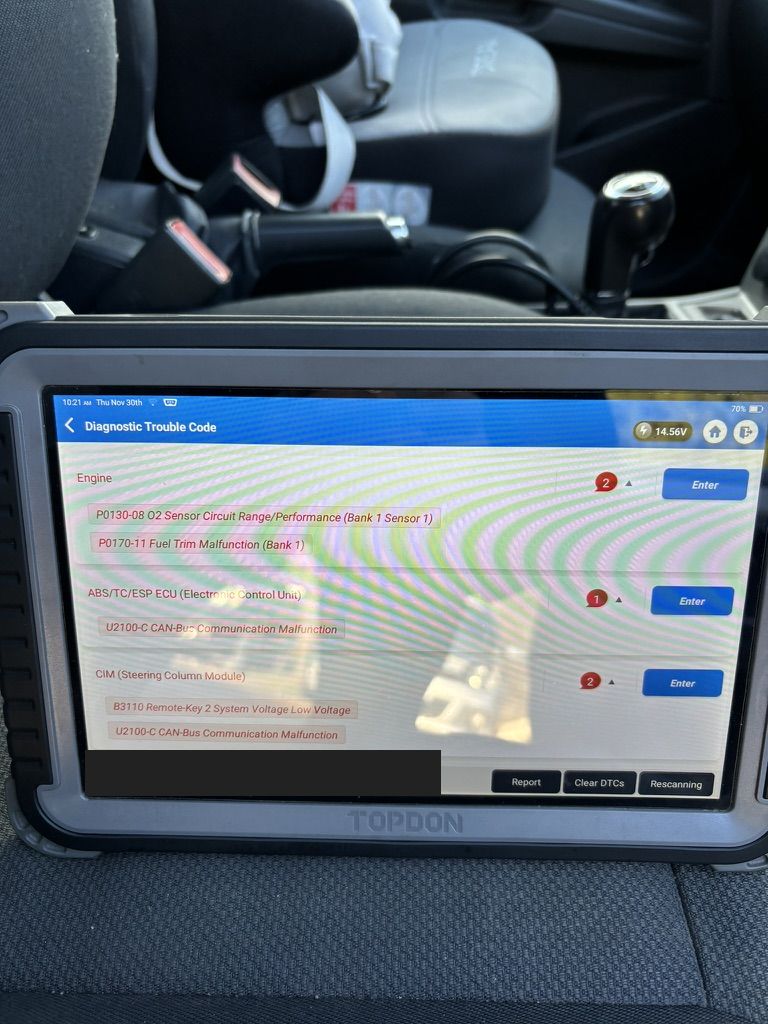
P0130 means the ECU has detected a fault in the oxygen sensor circuit on Bank 1, Sensor 1 - the upstream (pre-catalyst) lambda sensor on the side of the engine containing cylinder 1. This sensor measures oxygen content in the exhaust gases and is critical for closed-loop fuel control. The ECU uses its signal continuously to fine-tune the air/fuel ratio to the stoichiometric target of 14.7:1.
When P0130 is stored, the engine typically defaults to open-loop fuelling - using fixed fuel tables rather than active sensor feedback. This causes increased fuel consumption, emissions, and potential catalytic converter damage over time. The code indicates a circuit-level fault rather than a performance issue - meaning the signal is outside the valid electrical range.
Common Symptoms
- Engine management light on
- Increased fuel consumption
- Rich or lean exhaust smell
- Failed emissions test (MoT)
- Rough idle in some cases
- Poor throttle response
Common Causes
OBD Fault Code Plain English Guide
- 100 most common UK fault codes in plain English
- A severity rating for every code so you know what can wait
- Causes and next steps listed for each fault
Instant PDF download · works on phone, tablet or PC · 7-day money-back guarantee
How to Diagnose P0130
Check the O2 Sensor Connector
Locate the upstream oxygen sensor connector (usually in the engine bay, close to where the exhaust manifold meets the downpipe). Disconnect and inspect for corrosion, moisture, or damaged pins. Clean with electrical contact cleaner. Check the wiring from the connector back toward the ECU for heat damage or chafing.
Test the Heater Circuit
With the ignition on (engine off), use a multimeter to check voltage across the heater pins (typically two of the four wires on a wideband sensor). Battery voltage should be present. Then measure heater resistance across the sensor heater pins - typically 2–10 ohms. Infinite resistance means the heater has failed.
Monitor Sensor Signal in Live Data
Connect an OBD scanner and watch O2 sensor voltage in live data with the engine at operating temperature. A healthy upstream sensor should switch rapidly between 0.1–0.9V approximately once per second. A signal stuck at a fixed voltage, or outside the 0–1V range, confirms sensor failure.
Check for Exhaust Leaks
Listen for exhaust blowing sounds near the manifold and downpipe. An exhaust leak before the sensor distorts its readings. Look for sooty marks around joints and gaskets as evidence of leaks.
Replace the O2 Sensor
Use the correct sensor for the vehicle - universal sensors require soldering and are best avoided unless specified. Apply anti-seize compound to the sensor threads. If the sensor has been in place for over 100,000 miles, it may need heating with a blowtorch to loosen. Replacement sensors typically cost £40–£120.
Verdict
Test the heater circuit and sensor signal before replacing - a heater failure is the most common cause and confirms the sensor needs replacement. O2 sensors are relatively affordable (£40–£120) and straightforward to replace with basic tools. Fix promptly to protect the catalytic converter.
P0133 - When The Sensor Is Just Slow, Not Dead
P0133 is P0130's tired sibling: the oxygen sensor still works, but it switches too slowly for the ECU's liking. Where P0130 usually means a circuit problem you can find with a multimeter, P0133 is nearly always the sensor element itself ageing - and on anything past 100,000 miles on its original sensor, that is the way to bet. A healthy front sensor swings rich-lean-rich several times a second at a steady cruise; a lazy one wanders slowly between the extremes, and fuel economy quietly suffers long before the light comes on.
Before buying a sensor, ask why it aged early if the mileage is low. Oil burning, a coolant leak into the combustion chamber, or silicone sealant used near the intake all coat the element and slow it down - and they will do the same to the replacement. An engine using a litre of oil between services is the real patient; the sensor is just the messenger. The wiring and connector checks described above still apply, but with P0133 they are a formality - the smart money is on the element.