What Is P1000?
P1000 is not a fault code in the traditional sense - it's an informational status. It means the engine control unit has not yet completed its built-in self-diagnostic tests (called "readiness monitors"). The OBD system runs continuous checks on the emissions systems, oxygen sensors, catalyst efficiency, and other components. When you disconnect the battery or clear fault codes, the ECU resets these checks and must run them again to confirm the car is operating normally.
Once the ECU completes all its tests under various driving conditions (idle, acceleration, steady cruising, cold start), it marks the readiness monitors as "complete" and P1000 disappears. This usually takes 50–150 miles of normal driving.
Common Symptoms
- An OBD scanner shows P1000 but no other faults
- The engine runs normally - no drivability issues at all
- MOT OBD test reports "Readiness monitors not complete" and fails
- Code appeared after battery disconnection or code clearing
- Dashboard check engine light may or may not be illuminated
- Everything about the car's performance is perfectly normal
Common Causes
OBD Fault Code Plain English Guide
- 100 most common UK fault codes in plain English
- A severity rating for every code so you know what can wait
- Causes and next steps listed for each fault
Instant PDF download · works on phone, tablet or PC · 7-day money-back guarantee
How to Diagnose P1000
Confirm No Real Faults
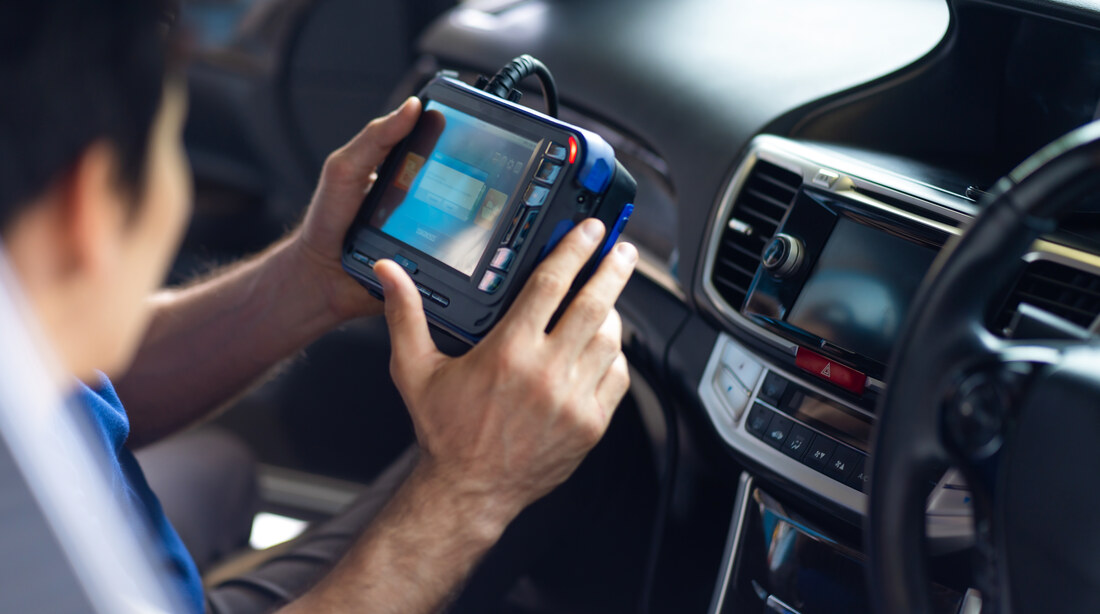
Connect an OBD scanner and read all fault codes. If P1000 is the only code present and no other faults are logged, P1000 is simply a readiness status issue - not a mechanical problem. The car is safe to drive. If other faults are present, address those first.
Check Readiness Monitors
Most OBD scanners show a "Readiness" section listing individual monitors: Oxygen Sensor, Catalyst, EGR, EVAP, Thermostat, etc. If all show "Not Ready" or "Incomplete", this confirms P1000 is just a status - the car hasn't completed its drive cycle yet. If several monitors show "Ready" and only one or two are incomplete, the ECU will finish within a few more miles.
Drive With Varied Conditions
To complete the readiness monitors quickly, vary your driving: start the engine cold (don't warm it up first), drive at steady speed on a motorway for 10–15 minutes, then drive through city streets with acceleration and deceleration. Include at least one full throttle acceleration from a stop. This exposes the engine to all the conditions the ECU tests.
Re-scan After 50 Miles
Drive the car normally for 50–100 miles, covering varied roads (city, motorway, hills if possible). Then scan again with your OBD tool. Most monitors should now show "Ready". If all monitors are ready and P1000 is gone, the readiness cycle is complete. If some are still incomplete, drive another 50 miles and check again.
MOT: Complete Before Testing
If you have an MOT coming up, ensure the readiness monitors are complete before you go. Schedule your MOT for at least 100–150 miles after battery work or code clearing. If P1000 appears at MOT, the test will fail immediately. Reschedule after completing a proper drive cycle.
Verdict
P1000 is not a fault - it's a non-issue that resolves automatically. After disconnecting the battery, clearing codes, or replacing the alternator, simply drive the car normally for 50–150 miles with varied speed and acceleration. The ECU will complete its self-checks and P1000 will disappear. If an MOT is approaching, give yourself at least a week of normal driving after battery work to ensure readiness is complete. There's nothing to repair, no part to replace, and no danger - your car is running perfectly fine.