What Is P0302?
P0302 is a cylinder-specific misfire code. Your engine has multiple cylinders firing in sequence, and your ECU monitors each one. When cylinder 2 fails to fire or burns fuel inconsistently, the ECU detects it and stores P0302. This code is very similar to P0301 or P0303 - the diagnosis process is identical, just targeting a different cylinder.
The danger is the same: unburnt fuel enters the exhaust and damages the catalytic converter. Costs for a replacement cat can exceed £1200. You should address P0302 quickly.
Common Symptoms
- Rough or lumpy idle, especially when stationary
- Hesitation or loss of power during acceleration
- Vibration felt in the pedals or steering wheel
- Check engine light illuminated (solid or flashing)
- Engine feels like it's running on fewer cylinders than normal
Common Causes
OBD Fault Code Plain English Guide
- 100 most common UK fault codes in plain English
- A severity rating for every code so you know what can wait
- Causes and next steps listed for each fault
Instant PDF download · works on phone, tablet or PC · 7-day money-back guarantee
How to Diagnose P0302
Remove Cylinder 2 Spark Plug
Locate cylinder 2 using your engine layout diagram (engine bay sticker or repair manual). Disconnect the coil pack or spark plug lead, then unscrew the spark plug. Inspect for black carbon, oil fouling, or heavy electrode wear. A healthy plug has a slight tan deposit. If it's black or covered in oil, the plug needs replacing. Also check the gap - should be within spec (typically 0.8–1.2 mm).
Test the Ignition Coil
Remove the coil pack or pencil coil for cylinder 2. Check for visible cracks, burn marks, or whitish corrosion on the terminals. Try swapping it with the coil from cylinder 1 or 3 (if the layout allows). Clear the code, run the engine, and test drive. If the misfire code transfers to the other cylinder, the coil is faulty.
Listen for Vacuum Leaks
Start the engine and listen for hissing around the intake manifold, vacuum lines, and gaskets. Spray a soapy water solution around suspect areas - bubbles indicate a leak. Check PCV hoses, intake gasket seams, and hose connections. A leak near cylinder 2's intake will specifically affect that cylinder.
Check Fuel Injector
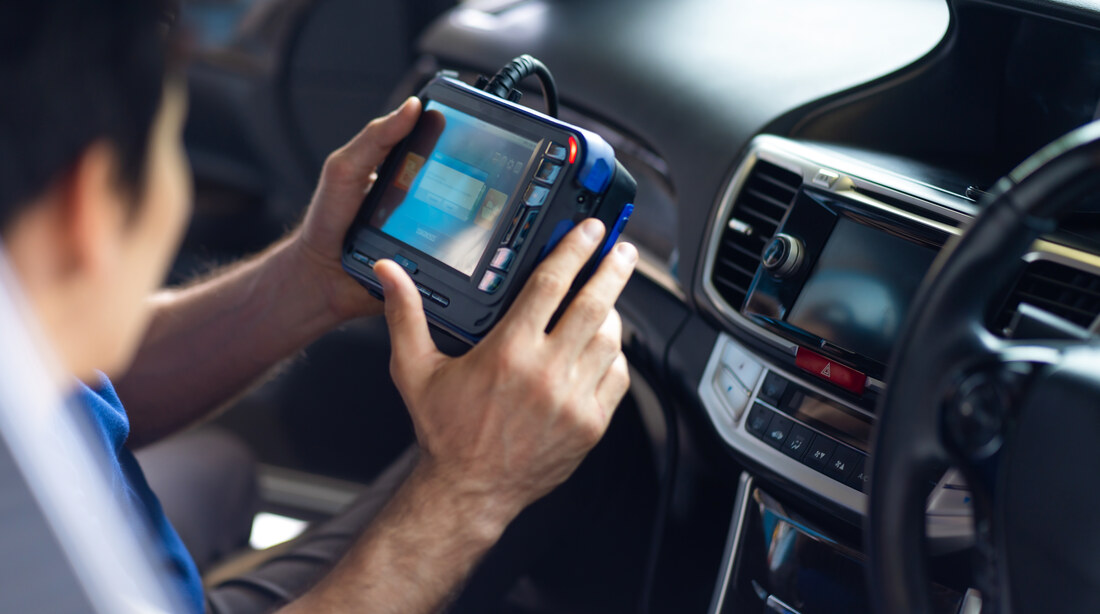
Connect an OBD scanner that can monitor fuel system data. Check the fuel injector pulse (should see regular clicking). Use a stethoscope on the injector body - a healthy injector makes rapid tick-ticking sounds. No sound or irregular clicks suggest injector failure. If the injector is stuck or sluggish, try a fuel injector cleaner additive or professional cleaning service.
Perform a Compression Test
If ignition and fuel checks pass, suspect internal engine wear. Disconnect all spark plugs and fuel injectors (to prevent accidental start), install a compression tester in cylinder 2, and crank the engine 6–10 times. Record the pressure. Repeat for all cylinders. Cylinder 2 should match others within 10 psi. Low compression on cylinder 2 alone indicates piston ring wear, valve damage, or cylinder wall damage.
Mechanic's Corner - P0302 on UK Cars
Cylinder 2 misfires follow the same diagnostic logic as other single-cylinder codes but one pattern is worth flagging specifically: on inline-4 engines with a coil pack (rather than individual coil-on-plug units), cylinder 1 and cylinder 2 often share a coil pair. A failing coil pack on these engines typically produces a P0302/P0301 combination, or P0302/P0303 - two adjacent cylinders firing from the same coil. If the fault moves when the coil pack is swapped to a different pair, the coil is confirmed bad.
If compression is low on cylinder 2, check the piston and valve condition using a leak-down test. Leak-down air escaping from the throttle body indicates inlet valve wear; air in the crankcase breather indicates piston ring or bore wear. This narrows down the repair without requiring an engine strip.
Verdict
P0302 is a straightforward diagnosis. Spark plug and coil issues account for 85% of single-cylinder misfires. Start there - both are cheap and quick to replace. If those pass, check fuel injector and vacuum leaks next. Compression issues are rarer but more serious. Most fixes cost £50–£300; compression problems cost significantly more.